Siberian Husky Behavior and Temperament
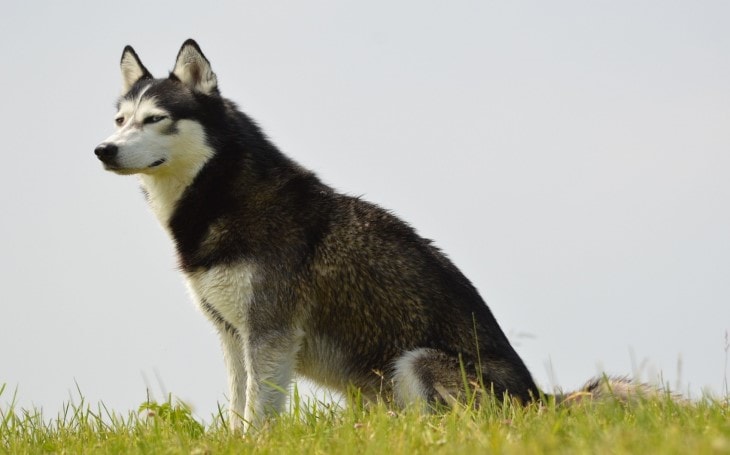
A Siberian Husky can be a loyal, brave and affectionate companion. They are usually outgoing rather than protective, so they are not typical guard dogs. That does not mean every Husky is friendly with every stranger or dog: breed tendencies are not guarantees, and individual dogs vary with breeding, socialization, training and experience.
Developed as sled dogs, Huskies were bred to run long distances at a moderate pace while carrying light loads in cold conditions. That working background helps explain their energy, endurance and need for secure containment. If this is your first dog, a Husky can still be a good fit, but only with realistic research, time for exercise and training, and a plan for secure fencing.
Siberian Husky Temperament and Personality
Many Siberian Huskies have a steady, sociable disposition, but no breed is even-tempered in every situation. They were bred to work in teams, and many enjoy human company, but they still need early, positive socialization so they learn how to behave around different people, dogs and environments.
A Husky that sees something interesting may run first and check in later. They are known for slipping leashes, jumping fences and digging, especially when bored or trying to reach a cooler spot. A secure physical fence, a well-fitted harness, leash walks and direct supervision are safer than relying on an electric fence alone, which may not contain a motivated Husky and can cause distress.
Their friendly, people-oriented nature often makes them poor watchdogs. They may greet visitors rather than guard the home. They are also intelligent and independent, which can make training a test of consistency rather than a contest of wills.
Training works best with clear routines, rewards for wanted behavior and fair management. The old pack-leader or dominance model is not a good guide for living with a Husky; trying to dominate a dog can increase conflict and does not teach the behavior you want. Instead, teach reliable cues, practice impulse control, and make recall and loose-leash skills a priority before trusting the dog off-leash.
Huskies are social dogs and often do best with company, exercise and mental work. A bored or under-exercised Husky is more likely to chew, dig, howl or look for an escape route. With the right routine, they can be loving, entertaining companions.
Siberian Huskies and Kids
Many Siberian Huskies can be wonderful family dogs, but no dog should be described as automatically safe with children. Children can be knocked over, scratched or frightened even by a playful dog, and any dog can bite if it feels threatened or is pushed past its limits.
The younger the child, the more supervision is needed. A playful, athletic Husky may jump up or bowl a small child over without meaning harm. Teach children to be calm and gentle, and never leave a child alone with a Husky, especially an infant or toddler.
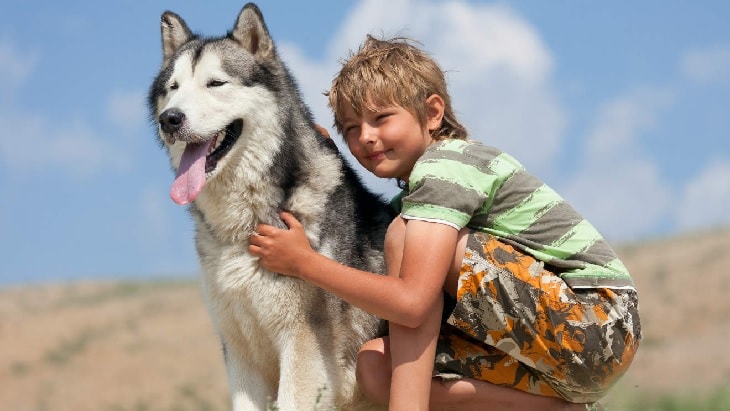
Use these safety rules for children around the family dog:
- Do not let a child tug, pinch, poke, hug tightly, or play roughly with the Husky.
- Teach children not to bother the dog while it is eating, chewing a bone or resting, and never snatch food or toys.
- Keep infants and toddlers off the floor with the dog unless an adult is actively supervising and close enough to intervene.
- Separate the dog and child during meals, treats, toy play and times when the dog seems tense, tired or unwell.
- Ask an adult before letting a child approach any dog, including the family Husky, and teach children to let the dog come to them.
Living With a Siberian Husky
Siberian Huskies are active, social dogs that need more than an occasional run. Plan for substantial daily exercise and mental enrichment, such as sniffing walks, training games, safe chews and supervised time outdoors. Avoid strenuous exercise in hot weather; their thick coat and sled-dog background do not make them heat-tolerant.
Many Huskies can learn to live with other pets, but they may chase or harm smaller animals because of prey drive, especially if they were not socialized carefully. Introductions should be slow and supervised, and small pets should never be left alone with a Husky.
These dogs generally dislike long periods of isolation. They need company, exercise and something to do; otherwise they may become destructive, chew household items or howl—sometimes giving the neighbors a concert. Early training and socialization are important, and professional reward-based help is worth seeking if problems develop.
Before bringing a Husky home, check local rules, secure your yard, budget for training and veterinary care, and plan who will exercise the dog every day. A Siberian Husky can make a lively, affectionate companion, but the match works best when the owner is prepared for the breed’s energy, independence and escape skills.
Visit Dog Lime for more dog-related information.