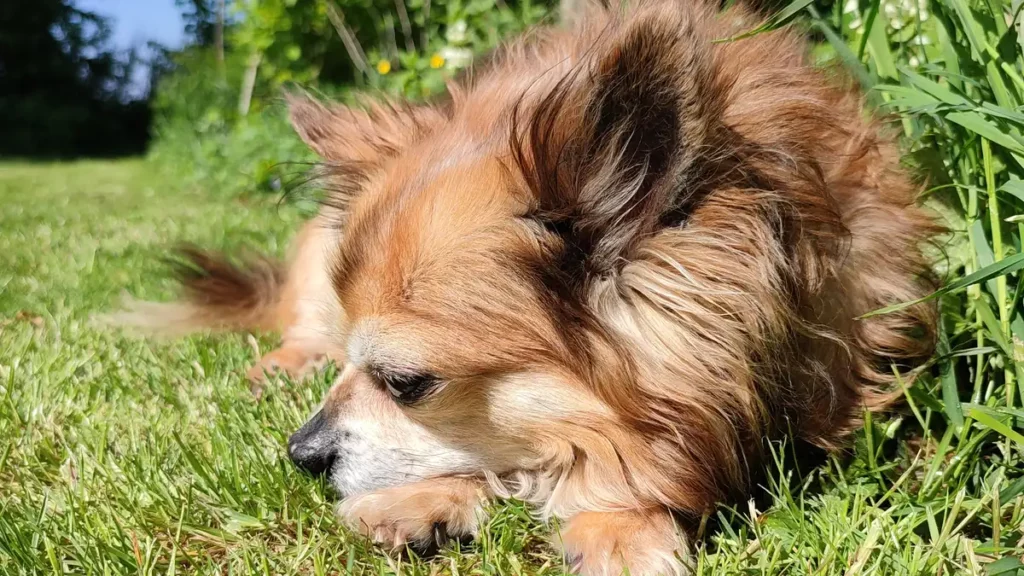
Chipit at a glance
About the breed
Personality and traits out of 5
Friendliness and suitability
Last updated: October 24, 2026
A pitbull chihuahua mix full grown is a small to medium dog with a big size range. Most adults land between 15 and 35 pounds, but no two Chipits grow the same way. One pup takes after the tiny Chihuahua parent. The next looks like a compact bully type.
That uncertainty is the honest starting point here. Read the ranges below as guides, not promises.
| Quick facts | Detail (cited figures only) |
|---|---|
| Other names | Chipit, Pithuahua |
| Height, full grown | 15 to 20 inches — Dogster |
| Weight, full grown | 15 to 35 pounds — Dogster |
| Lifespan | 10 to 13 years — Dogster |
| Puppy price, breeder | $200 to $1,000 — Bubbly Pet |
| Coat colours listed | White, black, brindle, brown, golden, and tan — Dogster |
What is a Chipit?
A Chipit is a cross between a Chihuahua and a pit bull type dog. Dogster also lists Pithuahua as a name for this mix. Hepper names the parents directly as the Chihuahua and the American Pit Bull Terrier.
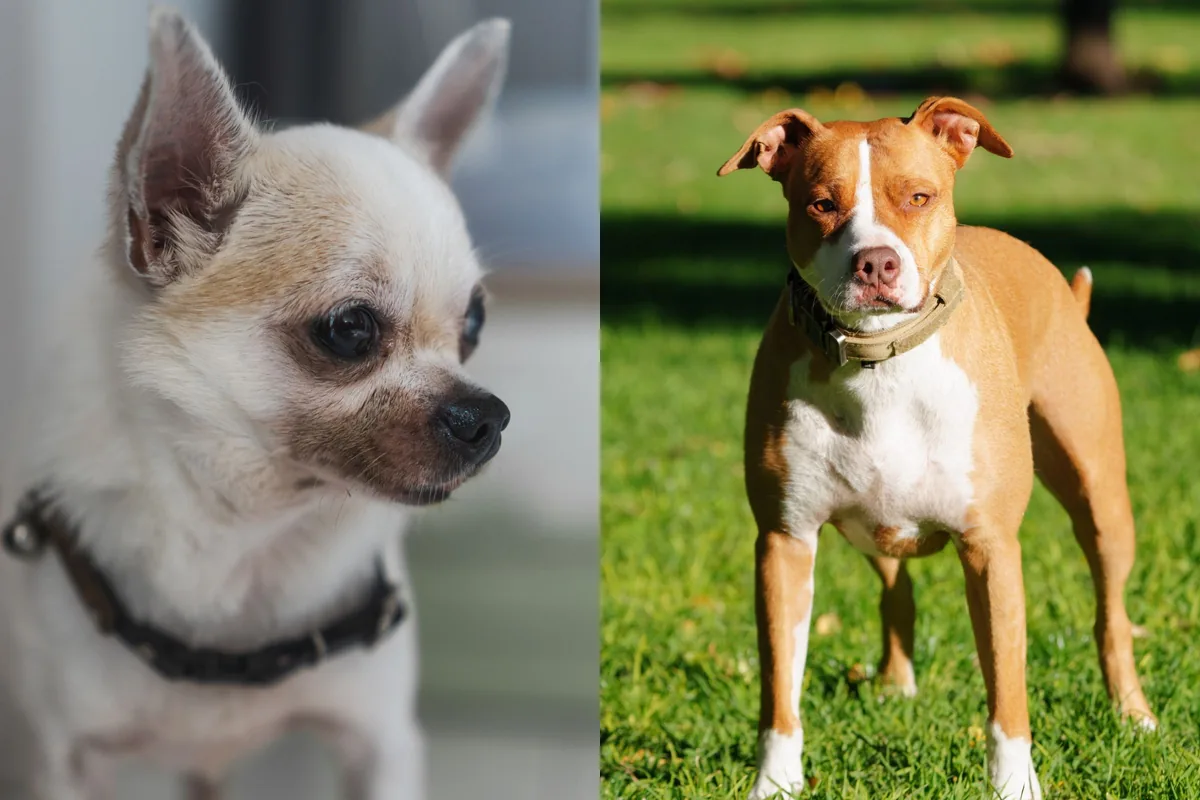
That parent label needs care. “Pitbull” is not one breed. People use the word for several bully types, including the American Pit Bull Terrier, the American Staffordshire Terrier, and the Staffordshire Bull Terrier.
So your Chipit’s other parent could be either breed, or a mix of bully types. Ask the breeder or rescue exactly which dogs are the parents. A vague answer tells you a lot.
This is not a kennel club breed with a fixed standard. No single size, coat, or temperament is guaranteed. What you get is a range, shaped by which parent your dog favours.
Full-grown size and weight
Dogster puts a full-grown Chipit at 15 to 20 inches tall and 15 to 35 pounds. Bubbly Pet gives 12 to 18 inches and the same 15 to 35 pounds. Hepper is narrower again, at 12 to 16 inches and 15 to 30 pounds.
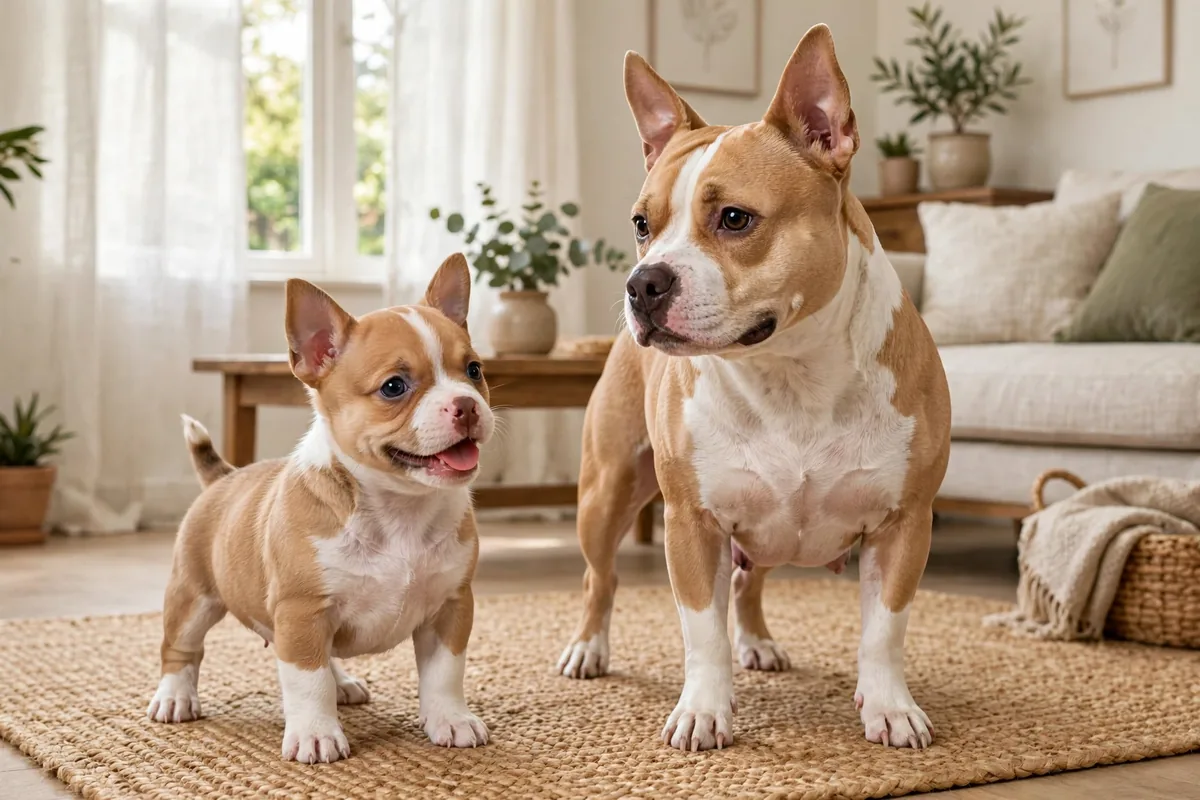
Read those three ranges together, and a pattern emerges. Weight agrees fairly well across sources, at roughly 15 to 35 pounds. Height disagrees more, from 12 inches at the low end to 20 inches at the top.
Why such a gap? Look at the parents. The AKC Chihuahua standard, via Britannica, lists Chihuahuas at 5 to 8 inches and up to 6 pounds.
The bully parent is far larger. Under the UKC standard summarised by Bully Max, American Pit Bull Terrier males stand 18 to 21 inches and weigh 35 to 60 pounds. Females stand 17 to 20 inches and weigh 30 to 50 pounds.
The American Staffordshire Terrier is similar in scale. Its AKC breed profile figures put males at 18 to 19 inches and 55 to 70 pounds. Females are 17 to 18 inches and 40 to 55 pounds.
A puppy from parents that different can land almost anywhere between them. Meeting both parents helps, but it still does not lock in adult size. If you need a dog under a strict weight limit, this mix is a gamble.
My view is simple: choose a Chipit only if a 15-pound dog and a 35-pound dog both fit your home. If only the small version works for you, choose a different dog.
Price and cost of ownership
Bubbly Pet puts Chipit puppies from reputable breeders at $200 to $1,000. All Things Dogs gives a lower, narrower range of $200 to $500. Prices vary by breeder, location, and parent dogs, so treat both ranges as guides.
Adoption usually costs less. Tish Pets puts Chipit adoption fees at $50 to $200, below breeder prices. Dogster confirms you can find this mix through a rescue or shelter.
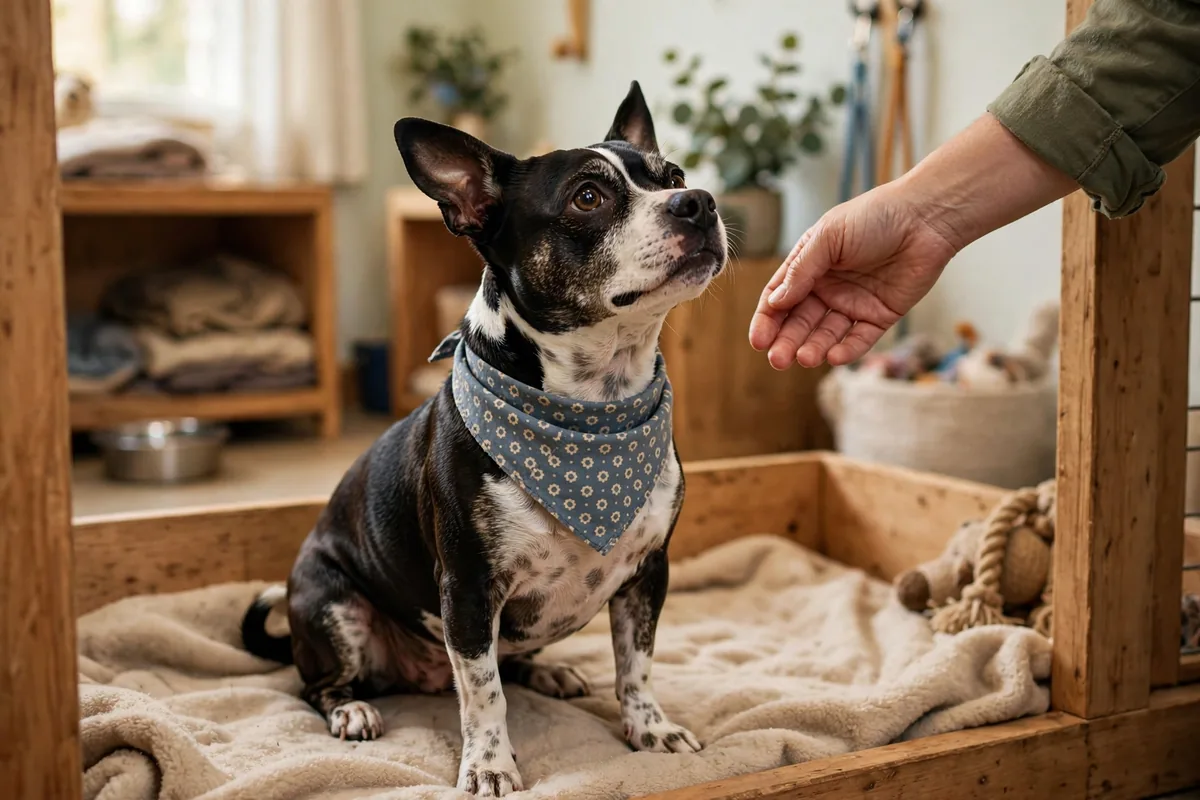
Ask shelter staff about pit bull mixes and Chihuahua mixes, not only Chipits. Shelters often label a mixed dog under one parent breed. Look at photos, then meet the dog in person before you decide.
The puppy price is only your first bill. Bubbly Pet totals the first setup costs at $525 to $2,240. That table includes food, a crate, vet visits, vaccines, and spaying or neutering.
Look at two lines in that table on their own. Initial vet visits are listed at $100 to $300, and initial vaccine shots at $75 to $200. Budget for those even if your puppy seems perfectly healthy.
Then the regular costs keep coming: food, routine vet care, and training classes. A cheap puppy with no health screening can cost you far more later. Pay for screened parents, or adopt and put the savings into vet care.
Before you pay anyone, check your local rules and your lease. Hepper warns that some landlords ban pit bull mixes and some local laws restrict them. Some insurers also charge more for cover, Hepper notes.
Temperament
Dogster describes this mix as loyal, loving, and intelligent. It says Chipits often bond closely with one family member, while staying loyal to the whole household — a trait our Chihuahua behaviour guide traces back to the small parent. Hepper adds vocal and energetic to that picture, and calls the mix aloof at first.
Hepper says a Chipit may be suspicious of strangers, then warm up quickly once you welcome them. Dogster gives a similar warning about guests and other animals. Neither source describes a dog you can leave unsocialised and expect calm behaviour.
With other pets, be honest with yourself. Dogster says this mix has a high prey drive and may chase smaller animals. It also says Chipits typically struggle with other dogs without extensive socialisation and training from a young age.
That does not make every Chipit a problem dog. It means early work matters more here than with an easygoing mix. The ASPCA opposes breed bans, saying dogs should be judged on behaviour, not breed or appearance.
Judge your own dog the same way. Watch the dog in front of you, not the label on the listing. Supervise play with children, as Dogster advises, and never leave any dog alone with small children.
My take: this mix suits an owner who wants a close, active companion and likes training. If you want a dog who greets every stranger and dog park crowd alone, look elsewhere.
Training and socialization
Start early, and keep it positive. Dogster says early training and consistency shape this mix, with praise and treats working best. It also says corporal punishment should be avoided with these dogs.
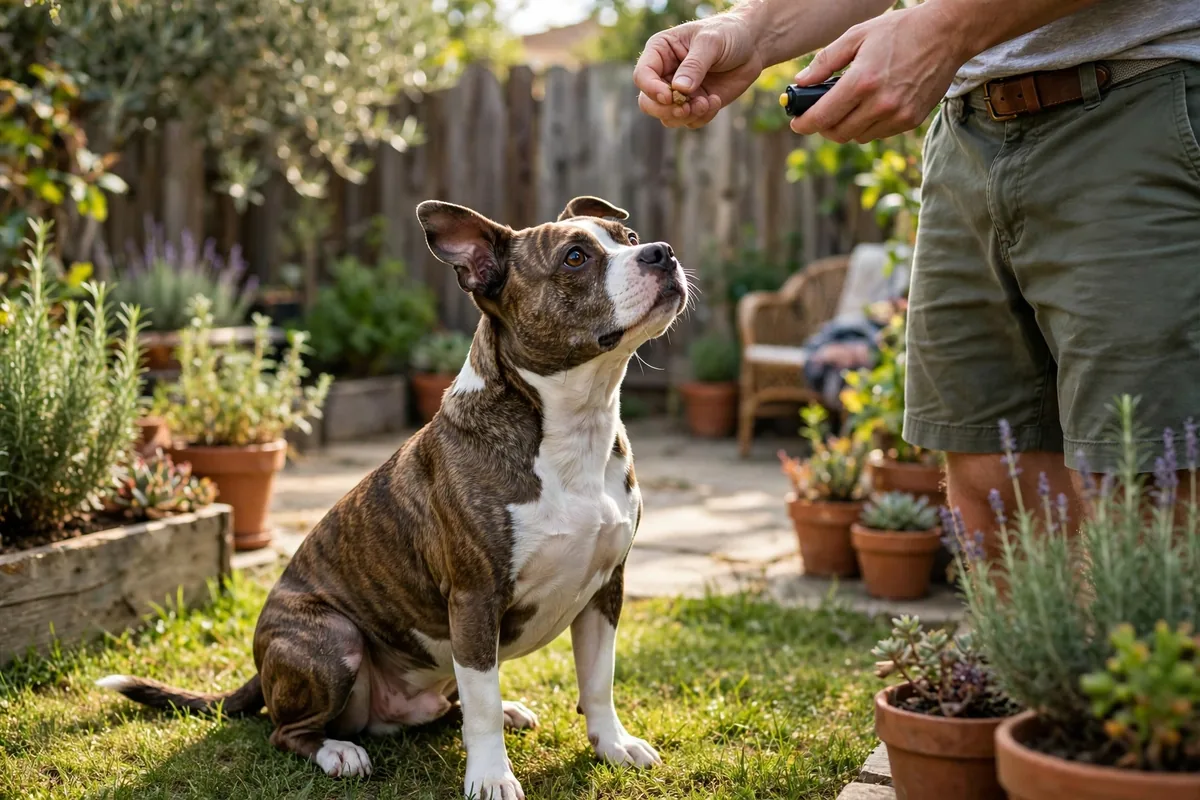
The American Veterinary Society of Animal Behavior calls the first three months the most important socialisation period in a puppy’s life. It recommends positive training, with frequent rewards such as praise, play, and treats. It also links positive, consistent training to fewer behaviour problems and greater obedience.
So what does that look like at home? Short sessions. The same cues from everyone in the house. Rewards the moment your dog gets it right. Our Chihuahua training guide and American Staffordshire Terrier training guide cover both parent types.
Socialise on purpose, not by accident. Introduce calm people, steady dogs, traffic sounds, and new surfaces while your pup is young. Keep each meeting short and pleasant, and let your pup retreat if things feel too much.
Do not carry your Chipit everywhere to protect it. A small dog who never walks, greets, or settles alone can grow fearful and snappy. Treat your Chipit like a real dog, just a smaller one, and train the dog you want to live with.
Exercise is part of training here. Hepper puts daily exercise at around 45 minutes, closer to 60 minutes for a dog favouring its pit bull parent. A tired Chipit learns faster and chews less of your furniture.
Health
A mixed breed can inherit health problems from either parent side. Dogster lists luxating patella, hip dysplasia, and heart issues for this mix. It also lists hypoglycaemia, where blood sugar falls too low.
Luxating patella means the kneecap slips from its groove when the knee bends. Dogster notes it is one of the most common orthopaedic diseases in dogs, and it usually affects small breeds like the Chihuahua. Watch for limping, skipping a step, or holding a back leg up.
Hip dysplasia sits at the other end of the size story. Dogster describes it as a hip joint where the ball and socket do not form properly. Signs include less activity, limping, and reduced range of motion.
Hepper adds patent ductus arteriosus, a heart condition, to its serious list for the mix. It also lists cataracts, progressive retinal atrophy, and colour dilution alopecia as minor conditions. Neither list means your dog will get these problems, only that you should watch for them.
Ask whoever you get your dog from about parent health screening. Dogster advises checking that breeders screen parent dogs for common diseases before breeding. If a seller cannot discuss screening at all, walk away.
Teeth need routine care too. Dogster recommends cleaning your dog’s teeth two to three times weekly, plus weekly ear checks. Small mouths crowd teeth, so skipping dental care is a false saving.
Your next step is one check, not five. Before you pay a deposit or sign adoption papers, confirm your housing and local rules allow a pit bull mix. Then meet the dog, ask about parent health screening, and book a vet check for the first week home.
Read our Chihuahua breed guide for the small parent in detail. Our American Staffordshire Terrier breed guide covers the main bully type behind many Chipits. Our Jack Chi guide shows another Chihuahua mix, for comparison, and our Chihuahua mix guide rounds up the rest.
FAQ
Most sources put a full-grown Chipit at 15 to 35 pounds. Height ranges from 12 to 20 inches, depending on the source you read. Your dog’s adult size depends on which parent it takes after more.
Bubbly Pet puts Chipit puppies from reputable breeders at $200 to $1,000. All Things Dogs gives $200 to $500. Adoption is usually cheaper, at $50 to $200 according to Tish Pets.
They can be, with training and socialisation from a young age. Dogster describes them as loyal, loving, and active with families. Supervise play with children, and expect extra work around other dogs and small pets.
Dogster puts the Chipit lifespan at 10 to 13 years. Hepper gives 11 to 14 years. Your dog’s lifespan will depend on its health, weight, and vet care over those years.
Yes. Dogster confirms this mix turns up in rescues and shelters. Ask staff about pit bull mixes and Chihuahua mixes, since shelters often label a dog under one parent breed only.