Australian Stumpy Tail Cattle Dog Training
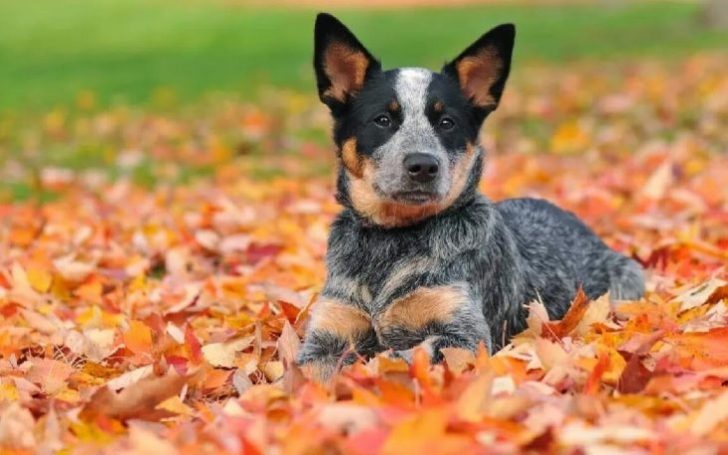
The Australian Stumpy Tail Cattle Dog is a working breed known for endurance, intelligence and a strong desire to have a job. The name comes from the breed’s characteristic short tail. These dogs were developed to work livestock and are often described as hardy in hot conditions, but no dog should be expected to work or exercise safely in extreme heat without shade, water and close supervision.
These Australian Stumpy Cattle Dogs can make rewarding family or working dogs when they receive consistent, humane training from the start. A trained Stumpy is easier to live with, safer to handle and better able to cope with everyday life. If you are adding one to your home, plan to invest time in training, socialization and appropriate exercise. The methods below focus on reward-based training and clear communication.
When To Start The Training?
Start as soon as your puppy or dog comes home. You do not need to wait until six months for formal obedience; early training should simply be short, positive and age-appropriate. Puppies can learn name recognition, handling, toilet routines, crate and alone-time comfort, recall games and simple cues such as sit. Keep sessions brief and end before your dog loses interest.
Formal obedience classes can be useful once your veterinarian confirms your puppy’s vaccination and socialization plan, and adolescent and adult dogs can benefit from refresher training at any age. The earlier you begin gentle routines, the easier it is to prevent common problems such as jumping up, pulling on lead, mouthing and barking for attention.
Where To Start The Training?
Home is often the best place to begin because it is familiar and easy to control. A secure yard can work for some exercises, but training should also happen in the places where you need your dog to behave: on walks, in the car, at the vet and around visitors. Public parks can be useful for controlled distance work, but a busy dog park is not usually the best classroom for a young or excitable dog.
Group puppy classes or obedience classes can help with socialization and real-life distractions when the trainer uses reward-based methods and the class is suitable for your dog’s age and temperament. If you hire a trainer, look for someone who uses humane, force-free techniques and can explain their plan clearly.
How To Define Tasks For Australian Stumpy Tail Cattle Dogs
Stumpy Tail Cattle Dogs are intelligent and often independent, which means they need clear rules and fair consequences—not harsh corrections. They can be quick to learn and quick to notice inconsistency, so they may test whether a cue really matters. That is normal dog behavior, not a sign that your dog is trying to dominate you.
Teach one skill at a time, use the same cue word each time, and reward the behavior you want. For example, if you want a reliable ‘sit’, reward sitting before meals, before the lead goes on and before a door opens. When your dog understands a cue in a quiet room, practice it in slightly busier places and gradually add distractions.
Use rewards that suit your dog—small food treats, a favourite toy, praise or access to something they want. Food is often the easiest reward to use in early training, but it should be faded or varied once the behavior is reliable. If your dog is not responding, make the task easier rather than repeating the cue louder or adding punishment.
The Training Methods
Lure-Reward Training
Lure-reward training uses a treat or toy to guide your dog into the position or behavior you want. To teach sit, hold a small treat close to your dog’s nose and move it slowly up and slightly back over the head so your dog’s head follows and their rear lowers. Mark and reward the moment they sit. Repeat a few times, then add the verbal cue ‘sit’ just before the lure.
Once your dog reliably follows the lure, reduce it. You can use an empty hand gesture, then reward after the dog performs. Keep food rewards unpredictable and gradually switch to other rewards so your dog does not need a treat every single time. Lure-reward training is effective for many basic cues, but it works best when sessions are short and your dog is not overly tired or distracted.
Clicker Training or Marker Training
Clicker training uses a click, or another marker word such as ‘yes’, to tell your dog exactly when they did the right thing. First teach that the click predicts a reward: click, then immediately give a treat. Repeat several times in a quiet place.
When your dog understands that the click means a reward is coming, use it the instant your dog performs the behavior you want, then follow with a treat. For example, click as your dog’s rear touches the floor for a sit, then reward. The timing matters more than the clicker itself; a consistent marker word works just as well for many owners.
Positive Leadership, Not Dominance Training
Old advice sometimes recommends ‘alpha’ or dominance training for independent breeds. Modern reward-based trainers generally advise against dominance-based methods because they can create fear, anxiety and defensive behavior, especially when they involve physical corrections, scolding or restrictions such as keeping dogs off furniture. Your dog does not need to be shown who is ‘alpha’; they need clear, consistent guidance and rewards for good choices.
Positive leadership means managing resources and routines fairly, setting predictable daily habits, teaching impulse-control cues such as wait and leave it, and rewarding calm behavior. If your dog has a serious behavior problem, such as aggression, severe anxiety or resource guarding, seek help from a qualified veterinarian or veterinary behaviorist rather than using confrontational techniques.
Strategies And Techniques To Make Training Easy
Be Consistent
Every family member should use the same cue words and reward rules. If one person rewards jumping up and another turns away, your dog will get mixed information. Decide which behaviors are allowed, write down the cues and rewards, and keep training sessions short and positive.
Control The Environment
Start training in a quiet room with few distractions. Put away toys and food if they pull your dog’s attention away, and use a baby gate or lead where needed. As your dog improves, practice in the garden, on a quiet street and around controlled distractions. A busy park is a test of training, not a good place to introduce a new skill.
Do Not Punish Your Dog
Punishment can increase fear and anxiety and can damage the trust between you and your dog. It can also make aggressive behavior more likely if your dog learns to associate people or other dogs with discomfort. Instead, reward the behavior you want, prevent practice of unwanted behavior and give your dog an acceptable alternative. For example, reward sitting instead of jumping up, and provide a chew toy instead of scolding chewing.
Training an Australian Stumpy Tail Cattle Dog is not about forcing obedience; it is about building a working partnership through clear cues, rewards and consistency. With early, humane training, socialization and suitable exercise, these intelligent dogs can be capable family companions and working partners.
Visit Doglime for more dog training methods.