Azawakh Training
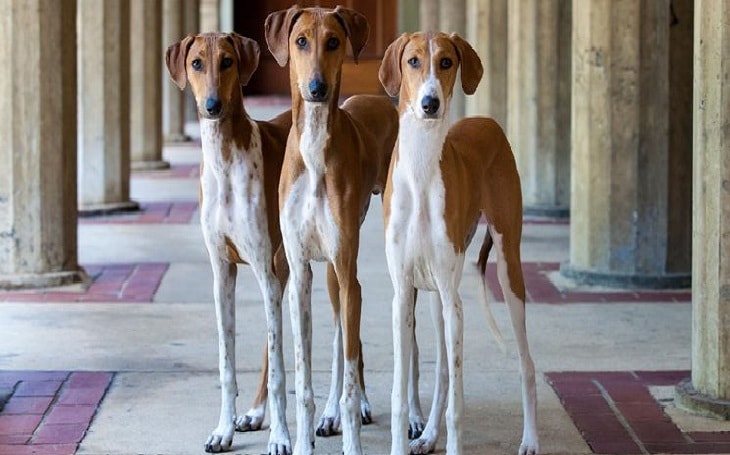
Azawakhs are sighthounds from the Sahel region of West Africa, with historical ties to Mali, Niger, and Burkina Faso. They are not a South African breed. Males generally stand about 25–29 inches at the shoulder and females about 23–27 inches; typical weights are often given as roughly 20–25 kg for males and 15–20 kg for females. Some breed standards give slightly different ranges, and individual dogs can fall outside them.
They have a short coat in a range of colors and a lean, athletic build. Their light, elegant movement often draws attention, but that same athleticism comes with speed and a strong chase drive.
The Azawakh is proud and independent, yet typically loyal, sensitive, and affectionate with their family. Many form a close bond with one person. They are active dogs who need regular exercise and mental enrichment. They are often reserved with strangers, so calm, positive exposure matters. Azawakh behavior can vary by individual, breeding, and early experience.
When and Where to Start Training Your Azawakh
Start early, but keep expectations age-appropriate. Puppies can begin learning household routines, name recognition, gentle handling, and simple cues as soon as they come home. Short, positive sessions are better than long formal lessons. A puppy class using reward-based methods can help, provided the instructor understands sensitive sighthounds and avoids rough handling.
Training can take place in a safe, enclosed area, a securely fenced yard, or a quiet room with few distractions. Outdoors, keep your Azawakh on a secure leash or long line in a safe area. These dogs were bred to chase and can spot movement at a distance; a reliable recall is not a substitute for a fence or leash. Check local leash laws and use well-fitted equipment.
How to Define the Task for Your Azawakh
Azawakhs are independent, sensitive, and can be strong-willed, so clear communication matters more than force. Decide what you want the dog to do, then teach one behavior at a time. Use one cue word for one behavior—such as sit, down, stand, and stay—and avoid changing the word for the same task.
Pair the word with a hand signal and reward the moment your dog succeeds. For example, you can use a hand signal for sit and a different one for down, but keep each signal consistent. Watch your dog’s body language: turning away, yawning, lip licking, freezing, or sudden sniffing can mean the dog is overwhelmed or confused. Shorten the session or increase distance from distractions when you see those signs.
The Training Process
Training an Azawakh is not a matter of dominating the dog. These dogs do best with consistent routines, fair rules, and rewards for the behavior you want. You need patience, timing, and a clear plan. Build cooperation by meeting the dog’s exercise and enrichment needs, then teach in small steps.
Positive Reinforcement
Reward-based training is the first choice for an Azawakh. Reward behavior you want with food, toys, play, or calm praise, and deliver the reward close to the moment the dog succeeds. Start in a low-distraction setting and gradually add distance, duration, and distractions. If your dog is not responding, make the task easier rather than repeating the cue louder.
Clear, Humane Leadership
Leadership does not require harsh corrections, fear, or physical force. For an Azawakh, it means being predictable: set household rules, reward polite behavior, prevent unwanted behavior from being practiced, and give the dog appropriate exercise and enrichment. Harsh handling can damage trust and may increase fear or defensive behavior. If you are unsure how to handle a behavior, consult a qualified reward-based trainer or veterinary behavior professional.
Socializing
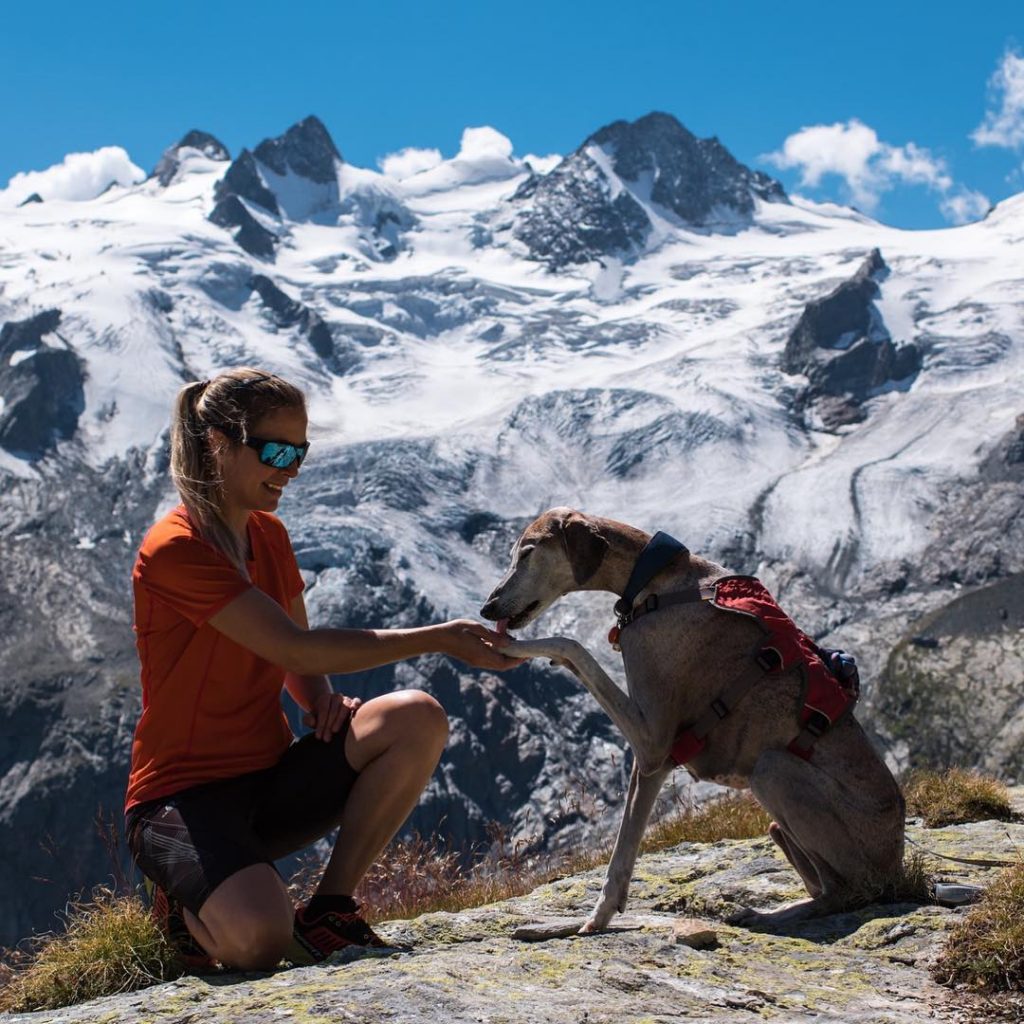
Azawakhs are often aloof or reserved with strangers, and early socialization can help them feel more comfortable. Socialization means gradual, positive exposure—not flooding the puppy with crowds or forcing interaction. Introduce new people, dogs, sounds, surfaces, and handling calmly, and let the puppy choose to approach. Follow veterinary advice about when and how to introduce your puppy to other dogs. Reward calm curiosity and give the dog space when needed. If your Azawakh shows fear or aggression, seek professional help rather than punishing the behavior.
Including Fun Games
Long verbal training sessions can be boring for an Azawakh. Add short games that reward thinking and cooperation: hide-and-seek, find the treat, scent games, and fetch in a secure area. Teach tug with clear rules if your dog enjoys it, and pause if arousal gets too high. Games can sharpen the mind and make training sessions something your dog looks forward to.
Exercise, Enrichment, and Training
An Azawakh who has had appropriate exercise is usually easier to train. Provide safe daily exercise that suits your dog’s age and health, and ask your veterinarian about exercise for a growing puppy. Mental work—scent games, training games, and food puzzles—can be just as tiring as physical exercise. Avoid high-impact or repetitive exercise with young dogs until your veterinarian advises it is appropriate.
Common Training Challenges
- Recall: practice only in enclosed areas first; never rely on recall in an open area where chase triggers are present.
- Loose-leash walking: reward position and check your pace before the dog pulls.
- Jumping or demand behavior: reward four paws on the floor and calm waiting.
- Prey drive: keep the leash secure, watch for small animals and fast movement, and avoid off-leash areas unless the area is fully enclosed and legal.
- Fear or aggression: do not use punishment; seek help from a qualified professional and your veterinarian.
Visit Doglime for more information about dog training and behavior.