Airedale Terrier Training
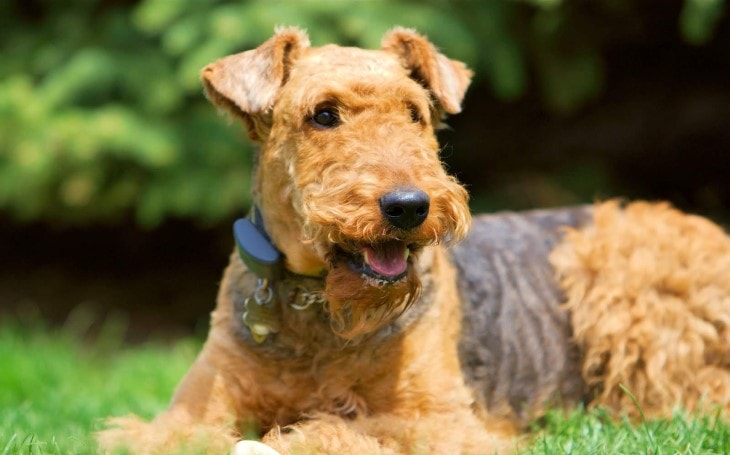
Airedale Terriers are alert, confident, energetic and friendly dogs. They are intelligent, independent terriers with a strong working background, so training should begin early and stay consistent. A well-trained Airedale Terrier can be a wonderful family companion, but training is not optional for this breed.
Airedales were bred to work with people and to hunt vermin, and many still have a strong prey drive, a tendency to dig or bark, and a mind of their own. They need physical exercise and mental stimulation as well as clear household rules. Their behavior is easier to guide when training uses rewards, consistency and realistic expectations rather than confrontation.
The guidance below covers when to start, how to teach clear tasks, which methods to use, and how to manage common Airedale Terrier training challenges.
When and Where to Start Airedale Terrier Training
Do not wait until a puppy is 6 months old. Airedale Terrier puppies can start learning as soon as they come home. Early lessons include name recognition, toilet routines, gentle handling, coming when called, settling calmly, and positive exposure to everyday sights and sounds. Keep sessions very short and reward effort.
A secure backyard or a quiet room at home can be a good starting place because it limits distractions and helps the puppy feel safe. As skills improve, practice in different places and around gradually more distractions. Puppy classes and beginner obedience classes can be useful when your veterinarian and the class provider agree it is safe; follow local vaccination advice and the class rules. Formal training can continue through adolescence, but early learning should not be postponed.
How to Define Tasks and Keep Training Clear
Airedales are independent thinkers, so vague instructions are unfair to them. Decide the exact behavior you want, such as sitting before the door opens, walking without pulling, or coming when called. Break the behavior into small steps and reward the closest correct attempt immediately. A treat, toy or praise marker must arrive fast enough for the dog to connect it with the behavior.
Use luring and shaping rather than force. For example, move a treat slowly over the puppy’s nose to encourage a sit, then reward as soon as the rear touches the floor. Say the cue once, help if needed, and reward. Keep formal sessions to about 5 to 10 minutes, several times a day, and end while the dog is still succeeding. If the dog cannot respond, make the task easier or move to a quieter place. Never punish a dog for coming to you, even if it took a while; recall should always predict something good.
Training Methods That Work—and Methods to Avoid
Positive Reinforcement
Positive reinforcement means rewarding behavior you want so it becomes more likely to happen again. It is a humane, effective foundation for training Airedales and other dogs. Reward sits, check-ins, calm behavior, loose-leash walking and coming when called. Use small food treats, favorite toys, play or praise, depending on what the individual dog values. Everyone in the household should use the same cues and rules so the dog is not receiving mixed messages.
Rewards are not bribery when they are used to teach and then gradually reduced as the behavior becomes reliable. Keep training fair: do not expect a young or distracted Airedale to perform a difficult task in a busy environment before it has practiced in a quiet one.
Dominance and the ‘Alpha Dog’ Idea
Old-fashioned advice says owners must dominate their dog, eat first, forbid furniture access, or avoid eye contact to become the ‘alpha.’ This approach is outdated and not recommended for modern dog training. Dogs are not wolves trying to overthrow a human pack, and everyday privileges such as sitting on the sofa do not make a dog dominant. Training based on confrontation, alpha rolls, pinning or scruffing can increase fear, anxiety and defensive behavior.
Instead, be predictable and consistent. Set clear boundaries, reward the behavior you want, and manage situations the dog cannot yet handle. If an Airedale pulls, jumps up or ignores a cue, look for a simpler step to teach rather than a battle for status.
Electronic Collars and Other Aversive Tools
Electronic training collars that deliver a shock, as well as choke chains, prong collars and other tools that rely on pain, fear or startle, are risky for training. They may suppress a behavior without teaching the dog what to do instead, and they can contribute to stress, anxiety and defensive behavior. This is especially important with a sensitive, independent terrier. Reward-based training and careful management are safer starting points.
If a trainer recommends shock, prong or choke collars as the first solution, consider finding a different trainer. For serious behavior concerns such as aggression, separation distress or severe fear, consult a veterinarian and a qualified behavior professional rather than relying on punishment.
Practical Airedale Training Strategies
- Provide a safe private space. A bed, quiet corner or properly introduced crate can give an Airedale a place to rest and chew. Never use that space as punishment or isolation.
- Meet exercise and enrichment needs. A brisk walk, sniffing time, play and training games can help an Airedale focus. Match exercise to the dog’s age, health and fitness, and avoid overexercising young puppies.
- Keep lessons short and frequent. Several 5- to 10-minute sessions are usually more effective than one long session. Teach new cues in a quiet place, then practice them in gradually busier places.
- Manage prey drive and recall. Airedales may chase small animals, so use a secure fence, a leash or a long line where it is safe and legal. Reward check-ins and coming when called. Do not allow off-leash freedom until recall is reliable in that environment.
- Reward the behavior you want. If the dog jumps, sits instead; if it pulls, reward a loose leash; if it barks at the window, reward quiet and manage the trigger. Punishment may stop one behavior temporarily but does not teach a better alternative.
- Keep household rules consistent. Use the same words for the same behavior, and make sure everyone rewards the same good behavior. Inconsistent rules confuse an intelligent dog.
- Socialize gently. Positive, controlled exposure to different people, dogs, surfaces and sounds can build confidence. Do not force interactions, and ask your veterinarian about safe socialization and vaccination timing.
- Teach calm handling. Pair gentle paw, ear and grooming handling with treats so routine care is easier. Stop before the dog becomes overwhelmed and build up gradually.
Common Airedale Training Challenges
An Airedale that ignores a cue is not necessarily stubborn; it may be bored, distracted, confused or under-exercised. Digging, barking, chewing and door-dashing often have an outlet or management issue behind them. Provide appropriate alternatives, such as safe chew toys, puzzle feeders, sniffing games and a legal digging area if digging is a strong habit, and reward the behavior you prefer.
Remember that training is a major part of owning a dog. The goal is not a broken spirit or a dog that obeys from fear; it is a confident, safe companion who understands what is expected. A trained Airedale Terrier is better able to enjoy family life, walks and visitors, and training gives the dog useful mental work.
For more dog information, visit Doglime.