Afghan Hound Training: Humane, Realistic Methods for an Independent Breed
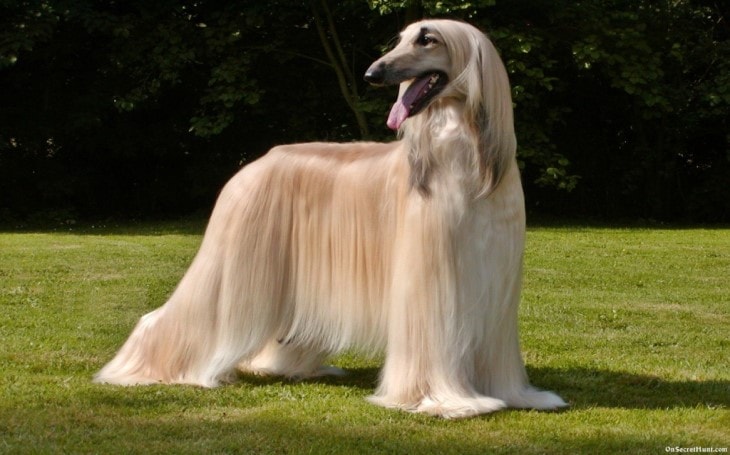
Afghan Hounds are large, aloof sighthounds with a strong independent streak. They are not usually eager-to-please obedience dogs, and they may be reserved with strangers. That does not mean they cannot form a close bond with their owner; it means the bond is more likely to develop through calm, consistent, reward-based training than through pressure or forced affection.
Training is still essential. It helps an Afghan Hound learn household manners, cope with everyday situations, and stay safer around people, other dogs, and traffic. The aim is not to turn an independent hound into a different breed, but to build cooperation, manage expectations, and prevent problems. They may alert to unusual sights or sounds, but Afghan Hounds are not typically kept as protective guard dogs.
When and Where to Start Training Your Afghan Hound
Start from the day your puppy or adult dog comes home, using simple routines and reward-based commands. Young puppies can begin short, positive sessions as soon as they arrive; formal obedience classes can follow when your veterinarian confirms it is safe based on vaccination status and local disease risk. There is no rule that training must wait until six months.
For a puppy, begin with easy behaviors such as name recognition, sit, down, stay, come when called, and settling on a mat. Keep sessions very short—often a few minutes at a time—and end while the dog is still interested. Use food treats, toy play, or praise that the individual dog actually values.
Puppy kindergarten or reward-based obedience classes can help with socialization and handling, provided the class uses humane methods and the environment is safe. In the home, practice in a quiet room first, then in the yard or another low-distraction space. A securely fenced yard is useful for supervised practice, but it is not a substitute for a leash in areas where the dog could bolt.
How to Define a Training Task for Your Afghan Hound
Break each task into small steps. Decide what you want the dog to do, what cue you will use, and how you will reward it. For example, “sit” means the dog’s rear touches the floor while you give a hand signal and say the cue once. Reward immediately when the dog succeeds.
Practice one small step at a time instead of repeating a cue until the dog tunes out. If the Afghan Hound does not respond, make the step easier, reduce distractions, or reset before trying again. A treat or toy reward should come within a second or two of the correct behavior so the dog can connect the action with the consequence.
The Training Process
Dominance-Based Training Is Not Recommended
Old advice described dogs as trying to become “alpha” and recommended things such as denying access to the bed or avoiding eye level. Modern humane training does not rely on that model. Dogs do not need to be dominated to learn; they need clear, consistent cues, fair consequences, and reinforcement for the behavior you want.
For an Afghan Hound, confrontational methods can increase distrust, anxiety, or defensive behavior. Household rules can still be clear—such as whether the dog is allowed on furniture—but they should be taught through management and reward, not intimidation. If behavior problems such as guarding, snapping, or severe anxiety occur, seek help from a veterinarian or qualified behavior professional rather than using punishment.
Positive Reinforcement
Positive reinforcement is the foundation of effective, low-stress training. Reward behavior you want to see more of, such as sitting politely, coming when called, settling, or walking without pulling. If the dog makes a mistake, interrupt calmly if needed, avoid harsh corrections, and set up the situation so the dog can succeed next time.
Afghan Hounds can be independent and easily distracted, so rewards must be worth the dog’s attention. Use high-value food treats in distracting places, vary rewards, and keep sessions brief. Rewarding small improvements helps training feel worthwhile to the dog.
Clicker Training
Clicker training is a marker-based method that uses a click, or another consistent marker signal, to identify the exact moment a behavior is right. The marker is followed by a reward. A clicker is not a whistle; it is a small device that makes a distinct click, although some trainers use a verbal marker such as “yes” instead.
First teach the dog that the marker predicts a reward: click, then treat, repeated several times in a quiet place. Then use the click to mark desired behavior, such as a rear touching the floor, and follow with a reward. Keep practice short and reward generously while the dog is learning.
Building a Cooperative Relationship
Afghan Hounds are often reserved rather than highly demonstrative with strangers, and they may prefer familiar people. Relationship-building does not mean forcing affection or expecting constant enthusiastic affection. It means learning the dog’s body language, respecting when it wants space, and being predictable and fair.
Spend time on calm handling, grooming, leash manners, and positive exposure to everyday sights and sounds. A dog that trusts its handler is more likely to cooperate in training. If your Afghan Hound is uncomfortable being touched or handled, work slowly and ask your veterinarian or a qualified trainer for guidance.
Strategies and Techniques to Make Training Easier
Afghan Hounds can be independent and easily distracted, and their sighthound instincts mean they may become focused on movement in the distance. Training is easier when you set realistic goals, manage the environment, and keep sessions rewarding.
Avoid Punishment
Punishment can increase fear, anxiety, and defensive behavior, and it can damage trust. It does not teach the dog what to do instead. Prefer management—such as closing doors, using a leash, or removing tempting items—and reward the behavior you want. If you feel frustrated, end the session and try again later with an easier setup.
Make Training a Habit
Short, frequent sessions are more useful than one long weekly session. Practice a few minutes during daily routines: before meals, before a walk, or when the dog is calm. Use known cues such as sit, down, stay, and come, and reward correct responses. Keep the training light enough that the dog remains engaged.
Go Slowly
Do not pile on new commands. Teach one behavior at a time and add distractions only when the dog can succeed. If the Afghan Hound can do “sit” in the kitchen but not in the park, practice the kitchen version again and build up gradually. For recall, use a long line in a safe area and reward heavily; Afghan Hounds are sighthounds and should not be trusted off-leash in unsecured areas.
Finally, your own behavior matters. Training should be calm, consistent, and rewarding. If you are impatient or harsh, the dog is less likely to cooperate. Aim for short, successful sessions and a relationship based on trust rather than force.
For more training strategies and techniques, visit Doglime.