Anatolian (Kangal) Shepherd Training
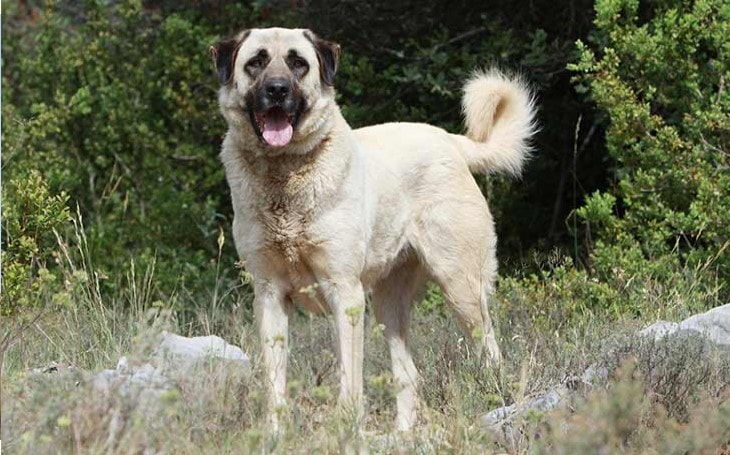
The Anatolian Shepherd is a large, powerful livestock guardian breed, closely associated with the Turkish Kangal. These dogs were developed to live with and protect livestock, often working independently of close human direction. That background helps explain their calm, watchful, aloof, and independent temperament. They are not usually eager-to-please obedience dogs, and training should respect their guardian instincts rather than try to force them into a herding-dog style.
Anatolian Shepherds can seem stubborn or dominant. A more useful interpretation is that they are independent, slow to comply when a request conflicts with their instincts, and easily bored by repetitive drilling. Harsh “alpha” or dominance-based methods are not recommended: they can damage trust and make defensive behavior more likely. Aim to be a fair, predictable leader through clear rules, reward-based training, and good management.
When To Start Training Your Anatolian Shepherd?
Start foundation training early—as soon as you bring a puppy home—but keep sessions short and suitable for the puppy’s age. Young puppies can learn name recognition, handling, house training, settling, crate or alone-time routines, recall games, and simple cues such as “sit,” “down,” and “stay.” Waiting until six months to begin is likely to make some foundation skills harder, especially in a dog that will grow large and strong.
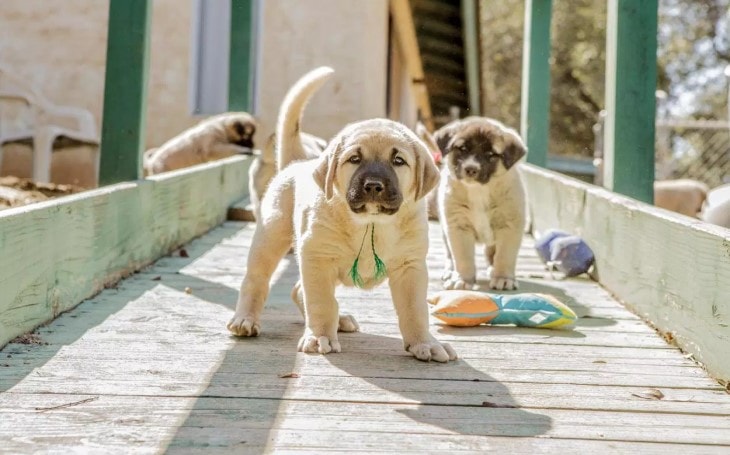
Image Via Doglers
Anatolian Shepherds mature slowly and may show puppy-like behavior until around two years of age. That does not mean they cannot learn earlier; it means progress may be gradual and adolescent behavior can be challenging. Keep training consistent, avoid expecting adult-level reliability too soon, and ask your veterinarian for advice on exercise and growth for a large-breed puppy.
Socialization should begin early as well, but it must be done safely. Ask your veterinarian about local infectious-disease risks and how to balance vaccination with low-risk social experiences.
Where Should You Start Training Your Anatolian Shepherd?
Begin at home with socialization, handling, household manners, and a safe routine. The Anatolian Shepherd is a guardian breed that is often reserved with strangers and protective of family, property, and livestock. Socialization does not mean forcing your dog to greet everyone. It means gradual, positive exposure to everyday sights, sounds, people, animals, surfaces, and handling while protecting him from overwhelming or frightening experiences.
If you plan to use your dog for livestock protection, seek guidance from an experienced breeder or livestock-guardian mentor. Appropriate, supervised exposure to stock is important, but not every Anatolian should be expected to work safely with livestock without careful introduction and training.
Public places can be useful only when your dog is comfortable, under control, and not overwhelmed. Crowded malls, markets, school pickups, and events are not automatically good socialization opportunities for a guardian breed. Start with quiet times, distance from triggers, short visits, and rewards for calm behavior. For an adult dog with little socialization, work with a qualified behavior professional and go slowly.
How To Give Your Anatolian Shepherd A Job
Giving a livestock guardian dog a clear “job” can be difficult in a companion home. For a working dog, the job may involve patrolling, observing, and staying with stock. For a companion Anatolian, provide substitute work such as supervised yard patrols, scent games, structured walks, settle-on-mat exercises, and safe chews. These activities meet some of the breed’s need to watch, investigate, and think.
Training should reward the behaviors you want rather than relying on confrontation. Use food, toys, praise, play, and access to safe parts of the environment to reinforce cooperation. Once your dog understands what earns rewards, he may become more willing to work with you, but do not expect blind obedience. Secure fencing, gates, leashes, and careful introductions are essential for this strong, protective breed.
Training Process
Training an independent Anatolian Shepherd can be frustrating, especially during adolescence. A calm, reward-based plan is more effective and safer than harsh corrections.
Relationship-Based Training
Relationship-based training means building trust, communication, and predictability. Learn your dog’s body language, avoid punishment that creates fear, meet his needs for exercise, enrichment, safe space, and rest, and find out which rewards actually motivate him. It is not the same as raising a child; dogs learn through species-specific communication and consequences.
This approach takes time and patience. Keep sessions short, reward effort, and end before your dog loses interest. A large guardian breed that is overwhelmed or pressured may simply switch off, walk away, or become defensive.
Positive Reinforcement
Positive reinforcement is a practical foundation for training. Reward the behavior you want with food, toys, praise, play, or access to something the dog values. A marker word such as “yes” or a clicker can help mark the exact moment your dog earns a reward. Use these rewards to teach new behaviors and to make good behavior more likely to happen again. For more on breed-typical behavior, see Anatolian Shepherd dog behavior.
Training still needs clear boundaries and safe management. Prevent unwanted behavior where possible, redirect your dog to an acceptable behavior, and teach an alternative. Aversive equipment such as choke chains, prong collars, and shock collars carries welfare and behavior risks, especially with large, sensitive guardian breeds, and is not recommended here. For aggression, fear, guarding, or other serious behavior concerns, consult your veterinarian and a qualified behavior professional.
Socialization
Socialization is important, but quality matters more than quantity. It involves gradual, positive exposure to everyday sights, sounds, people, animals, and handling, and it should teach neutrality rather than forced friendliness. Begin as early as is safe for your puppy and follow veterinary advice about infection risk.
If you own an adult Anatolian Shepherd with limited socialization, progress may be slower. Use controlled distances, reward calm behavior, and avoid flooding the dog with crowded or stressful situations. A qualified trainer or behaviorist can help you create a safe desensitization and counterconditioning plan.
Strategies And Techniques For Easier Anatolian Shepherd Training
These techniques can make training more realistic for an independent guardian breed:
Go Slowly
Anatolian Shepherds are sensitive to harsh handling and may need more time than other breeds to become reliable. Create a positive training environment, reward small successes, and increase difficulty only when your dog is consistently successful. Add distractions gradually—first at home, then in a quiet yard, then in safer public spaces.
Keep sessions short and stop if your dog is overwhelmed. If training becomes a battle, an Anatolian is likely to disengage. Patience and repetition are more useful than pressure.
Lead With Consistency, Not Dominance
Because Anatolian Shepherds are independent and protective, unclear rules can lead to unsafe guarding decisions. They do not need you to dominate them. They need predictable routines, consistent boundaries, fair handling, and rewards for desired behavior. Use gates, crates, leashes, and secure fencing to prevent problems rather than relying on punishment after they happen.
Teach a strong recall and settle behavior, and practice them in gradually more distracting places. If your dog is guarding spaces, people, food, or objects, seek professional help early rather than attempting to “win” a confrontation.
Basic Commands And Fun Tricks
Basic cues give your Anatolian structure and can help you manage common behavior problems. Useful cues include sit, down, stay, come, leave it, loose-leash walking, settle, and a reliable recall. For a large, strong dog, recall and leash manners are especially important for safety.
Tricks and games can provide mental stimulation and make training more enjoyable. Try “find it,” hand targeting, mat training, or simple scent games. Keep the focus on cooperation, not competition. Visit Doglime for more dog breed information and training methods.