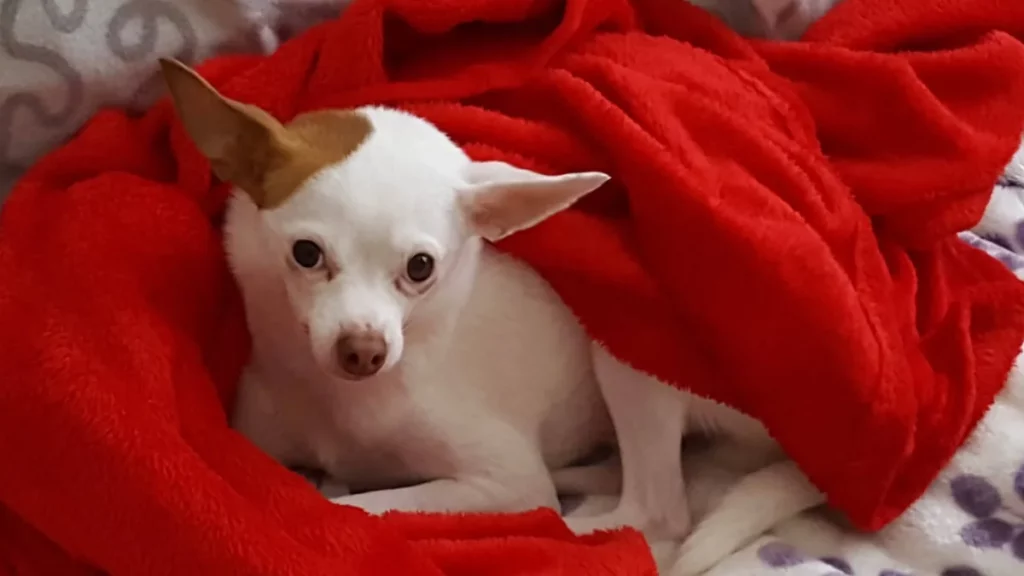
Jack Chi at a glance
About the breed
Personality and traits out of 5
Friendliness and suitability
Last updated: October 20, 2026
A Jack Russell Chihuahua mix gives you terrier drive in a very small dog. Most people call this cross a Jack Chi, or sometimes a Jackhuahua. It suits active homes far better than quiet ones.
There’s no breed standard and no guaranteed size or temperament here. What you get depends on which parent your dog takes after. This guide uses the parent breeds to frame honest ranges, not promises.
Quick facts
| Trait | What to expect |
|---|---|
| Size | Small, but it varies a lot — see the parent ranges below |
| Height | No set figure for the mix. Parents: Russell Terrier 10–12 inches; Chihuahua 5–8 inches (AKC) |
| Weight | No set figure for the mix. Parents: Russell Terrier 9–15 pounds; Chihuahua not exceeding 6 pounds (AKC) |
| Lifespan | No set figure for the mix. Parents: Russell Terrier 12–14 years; Chihuahua 14–16 years (AKC) |
| Coat | Short and smooth, broken, or longer — it depends on which parent coat your dog inherits |
| Temperament | Alert, lively, loyal and bold, with a strong chase instinct in many dogs |
| Energy | High for its size — a working terrier’s engine in a small body |
What is a Jack Chi?
A Jack Chi is a cross between a Jack Russell Terrier and a Chihuahua. You’ll also see the same cross written as a Chihuahua Russell Terrier mix. Breeders sell it as a small companion dog with a big personality. That description is fair, as far as it goes.
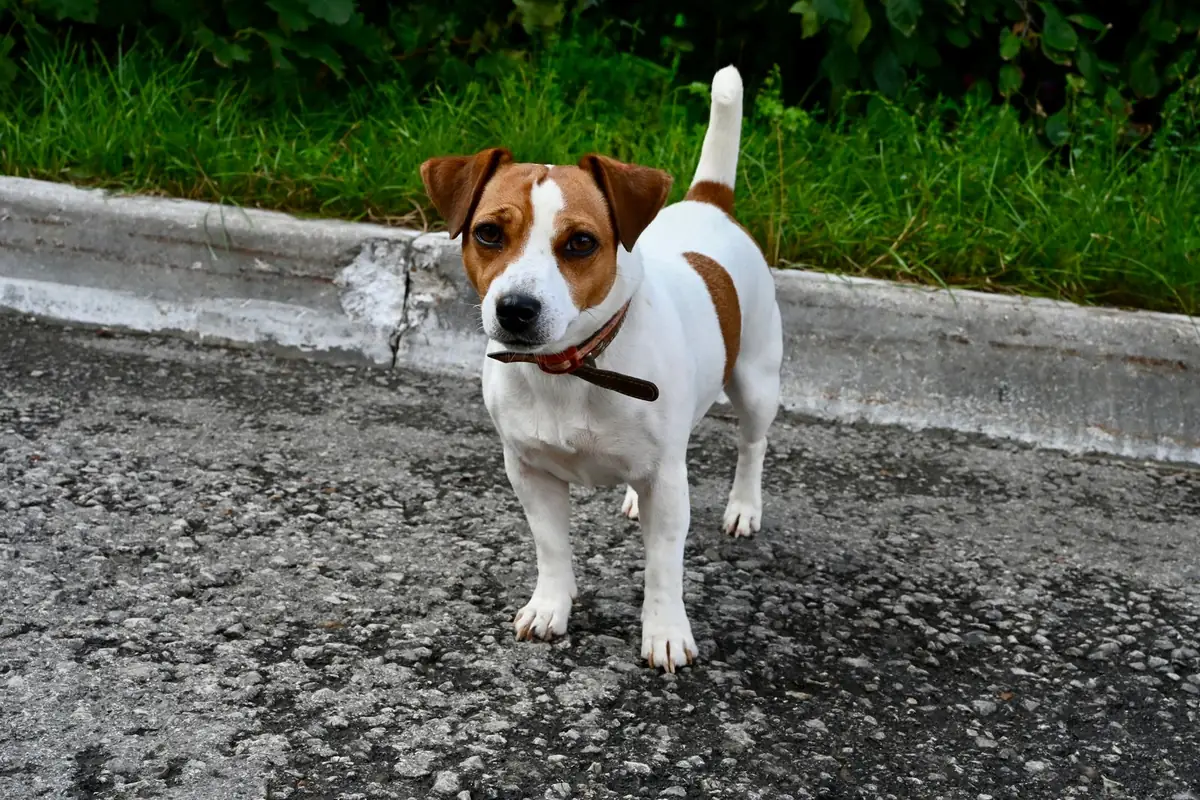
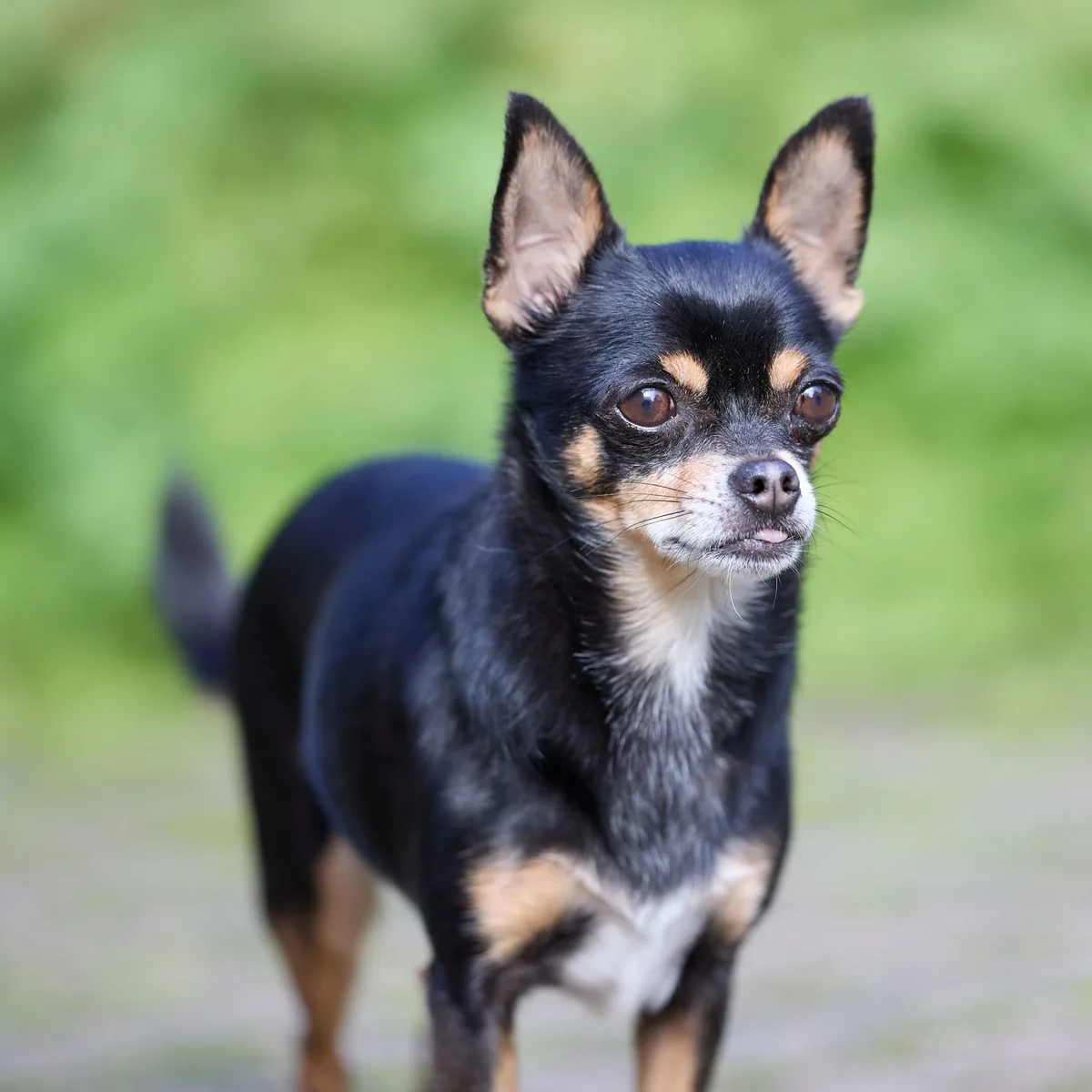
The mix itself has no AKC breed standard, because the AKC registers purebred dogs. So nobody can promise you an adult size, coat, or temperament in advance. Anyone who does is guessing, and you should price that guess accordingly.
The honest reference points are the two parents. The AKC lists the Russell Terrier at 10 to 12 inches tall and 9 to 15 pounds. Its Chihuahua page gives 5 to 8 inches, with weight not exceeding 6 pounds.
That gap explains almost everything about this mix. One parent is a compact working terrier. The other is one of the smallest dogs in the world. Your puppy lands somewhere between those two ideas, and you won’t know exactly where until it grows up.
Jack Chi size and appearance
Size is the question everyone asks first, and it’s the one with the loosest answer. A Jack Chi leaning toward its Chihuahua parent stays very small and light. One leaning toward the Russell side stands taller and carries more muscle. Littermates can differ more than you’d expect, so judge the parents, not just the puppy.
Looks vary just as much. Some dogs get the Chihuahua’s large, upright ears and rounded head. Others get a longer terrier face and ears that fold over. Leg length, muzzle length, and body shape all sit somewhere between the parents.
Coat is a genuine lottery. The official Russell Terrier standard allows smooth, broken, or rough coats, mostly white with black or tan markings. Chihuahuas come in a smooth coat or a long coat, in many colours. So your Jack Chi might be short and smooth, rough around the face, or longer-coated.

Colour follows the same pattern. White with tan or black markings points to the Russell side. Solid tan, black, chocolate, cream, or mixed markings point to the Chihuahua side. Don’t pick a puppy on colour alone, because the coat can change as it matures.
Temperament and personality
Expect an alert dog that notices everything and comments on much of it. The AKC calls the Russell Terrier upbeat, lively, inquisitive, and friendly. It describes the Chihuahua as graceful and alert, with a saucy expression. Put those together and you get a small dog with strong opinions.
Loyalty is the sweet part. Many Jack Chis bond hard to their people and follow them from room to room. They’re playful, quick to learn routines, and keen to be involved. A bored Jack Chi, though, will invent its own entertainment.
The harder part is the chase instinct. Russell Terriers were bred for foxhunts, and that drive doesn’t vanish in a cross. Squirrels, birds, and fast-moving small pets can all trigger a chase. Keep that in mind if you have cats, rabbits, or other small animals at home.
Barking is the other honest warning. Both parents are alert dogs, and alert dogs tend to announce visitors, noises, and passing dogs. Early socialisation helps your dog tell a real event from an everyday sound. Our Jack Russell Terrier temperament and personality guide shows the terrier side in more depth, and our Chihuahua behaviour guide covers the small-dog side.
My take? This mix rewards owners who like a dog with a point of view. If you want a placid lap dog that sleeps through visitors, look elsewhere.
Exercise and training
Small doesn’t mean low-energy, and this is where many owners get caught out. Your Jack Chi needs daily walks plus proper play, every single day. Split the activity into shorter sessions across the day if that suits you better. A tired Jack Chi is a much easier dog to live with.

Give the brain work, not just the legs. Sniff games, puzzle feeders, and short training games all burn energy indoors. Fetch in a secure garden works well, because the chase instinct makes off-lead recall unreliable. Use a well-fitted harness and a lead anywhere that isn’t fully enclosed.
Training needs patience more than force. This mix is clever, and clever dogs test whether a rule still applies today. Keep sessions short, reward what you like, and repeat it tomorrow. Harsh handling tends to make small, bold dogs dig in harder.
Start socialisation early and keep it gentle. Introduce people, dogs, traffic sounds, and handling in small, positive steps. Housetraining a small dog can take longer than you expect, so keep a steady routine. Praise outdoor success straight away, every time.
Health and lifespan
Plan for a long commitment, because both parents are long-lived for dogs. The AKC gives the Russell Terrier a life expectancy of 12 to 14 years. For the Chihuahua, the figure is 14 to 16 years. Your Jack Chi could land in either range, and good care matters more than the label.
The health issue to know by name is patellar luxation, where the kneecap slips out of place. VCA Hospitals explains that many toy and small-breed dogs, including Chihuahuas, have a genetic predisposition to it. Dogs may skip in their step, or run on three legs, then carry on as if nothing happened. Surgery is advised if lameness keeps coming back, so a skipping gait deserves a vet visit.
Keeping your dog lean protects those small joints. Extra weight is easy to add to a small dog and hard to notice under a thick coat. Feel for the ribs at every weigh-in, and adjust food before the problem grows.
Ask questions before you commit to a puppy. A careful breeder should discuss the health screening behind both parents, including their knees. If you’re adopting, ask the rescue what their vet has already checked. Then keep up routine vet visits, dental care, and vaccinations through your dog’s life.
Is a Jack Chi right for you?
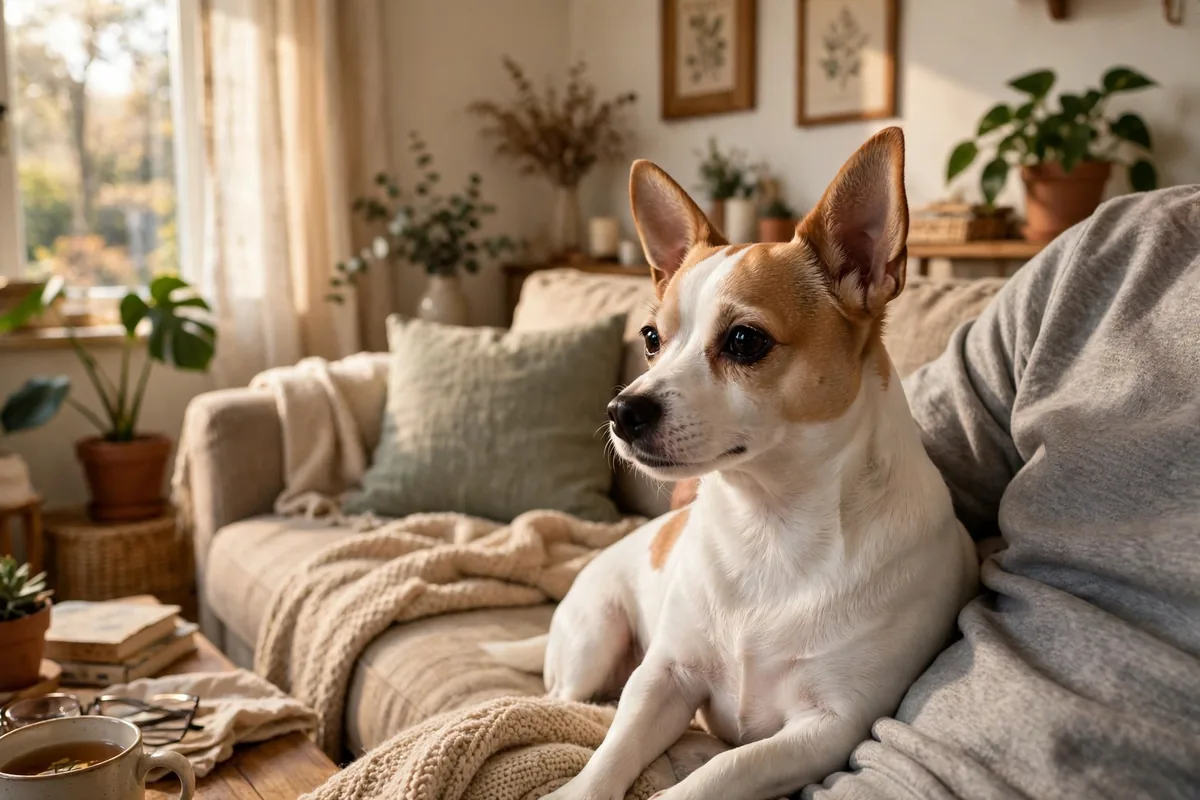
This mix fits you if you’re home a lot, active daily, and patient with training. It suits a flat or a house, as long as the exercise and company are there. Older children who handle small dogs gently usually do fine. Toddlers and rough play are a poorer match for a small, quick dog.
Pros
- Small size that still copes with proper walks and play
- Loyal, affectionate, and closely bonded to its people
- Clever and quick to learn with reward-based training
- Long-lived parents, so a long companionship is likely
Cons
- Barking can be frequent without training and socialisation
- Strong chase instinct around small animals and wildlife
- Needs more exercise than its size suggests
- Size, coat, and temperament can’t be predicted closely
I wouldn’t recommend a Jack Chi if you work long hours away from home. Company is not a bonus for this mix; it’s a basic need. I’d recommend one happily if you want an involved, funny, busy little dog.
Your next step is simple: meet adult Jack Chis before you fall for a puppy. Spend time with one, ask about its parents and knee screening, and picture that energy in your home. Then browse our Chihuahua mix guide and our Chihuahua Terrier mix guide to compare similar crosses, or our Jack Russell Terrier puppies guide if a young terrier cross is on your mind.
FAQ
There is no standard adult size for this mix, so any exact figure is a guess. The parents frame the range. Russell Terriers stand 10 to 12 inches and weigh 9 to 15 pounds, per the AKC. Chihuahuas stand 5 to 8 inches and weigh no more than 6 pounds, and most Jack Chis land somewhere between their parents.
Both parent breeds are long-lived, which points to a long life for most Jack Chis. The AKC gives 12 to 14 years for the Russell Terrier and 14 to 16 years for the Chihuahua. Your dog’s own health, weight, and vet care will shape where it lands.
Jack Chis usually do better with older children who handle small dogs gently. Small dogs can be hurt by rough play, and a startled dog may snap. Supervise play, teach children to let the dog come to them, and give the dog a quiet space of its own.
A Jack Chi needs daily walks and play, not just a quick trip outside. Split the activity across the day, and add sniff games or puzzle feeders indoors. Judge the amount by your own dog: it should settle calmly at home afterwards, not bounce off the furniture.
Many do, because both parent breeds are alert and quick to announce a noise. A Jack Chi will often bark at visitors, passing dogs, and sounds outside. Training and early socialisation can reduce it, but you shouldn’t expect a silent dog.
Such great info. We have a Jack Chi who is 13 years old. So loyal and loving. Intuitive… if someone in our family is sick or feeling down, he will stay by that person’s side and quietly cuddle to them. Wonderful companion and member of the family.
Adopted a Chi/RatTerrier a month ago. He is a great little boy, potty training is going “ok” He will always PeePee outside but comes in to do the rest. We discuss this when I find it. He is really well behaved and loving. A great companion for an older person. Not too large and not too opionated either.