German Shepherd Training
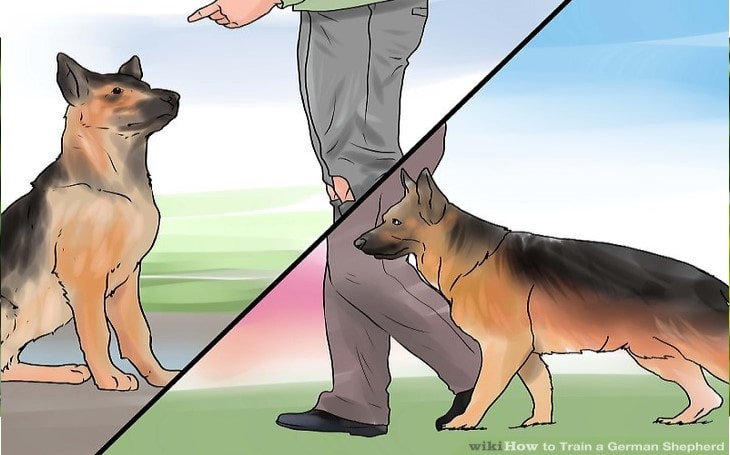
German Shepherds are alert, capable dogs, but they are not “born guard dogs” that will automatically fight anything unusual. Their protective instincts vary by breeding, temperament, and experience. Early, humane training helps them become calm, cooperative companions—and guard-dog work, if it is appropriate at all, should come later with a qualified professional.
Do not start protection or guard-dog training with a puppy or with a dog who is fearful, reactive, or unstable. Foundation skills, safe socialization, and clear household rules come first.
When should German Shepherd training start?
Start from the day you bring your puppy home. At this age, training means teaching household routines, name recognition, toilet habits, gentle handling, and simple reward-based behaviors in short sessions. A GSD puppy behavior chart can help you notice normal changes, but it does not replace advice from your veterinarian or trainer. Puppies can begin learning cues such as “sit,” “down,” and “come” much earlier than 5 to 6 months; keep sessions brief and age-appropriate.
Formal obedience classes can also start while your puppy is young, provided the class uses humane, reward-based methods and follows local vaccination and safety guidance. There is no benefit in waiting until 6 months to begin training. Adolescence can bring new challenges, but it is not a reason to delay foundation work.
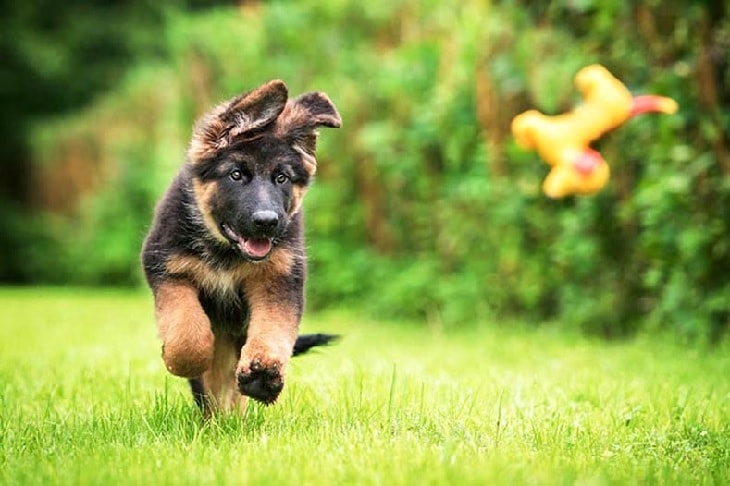
Image Source: akc.org
At 7 to 8 weeks, your puppy is still very young. Use gentle handling, praise, and small food rewards to build positive associations. Avoid long sessions, harsh corrections, and overwhelming environments.
Where should German Shepherd puppy training begin?
The best place to start is at home, with you. Home is where your puppy learns routines, boundaries, and basic cues with few distractions. Once your puppy is comfortable, practice in gradually busier places.
A qualified trainer may use a secure yard, training center, or appropriate outdoor space for controlled exercises. Large spaces are useful for games and movement, but they are not automatically better for training. Distractions should be added slowly so your puppy can succeed.
Puppy kindergarten and reward-based obedience classes can be valuable for supervised socialization and for helping you practice skills around other dogs and people. Choose a class that matches your puppy’s comfort level and avoids forced interactions.
How to set training goals for your German Shepherd
German Shepherds are strong, intelligent, and often energetic, so clear goals matter. Decide what you need first: polite household behavior, loose-leash walking, recall, settling calmly, or safe interactions with visitors. Break each goal into small steps.
Intelligence does not mean a dog is trying to dominate you. A German Shepherd’s temperament can vary, and German Shepherds can become bored, overexcited, or inconsistent when training is unclear or too repetitive. Focus on teaching what you want, managing the environment, and rewarding good choices rather than trying to be “alpha.”
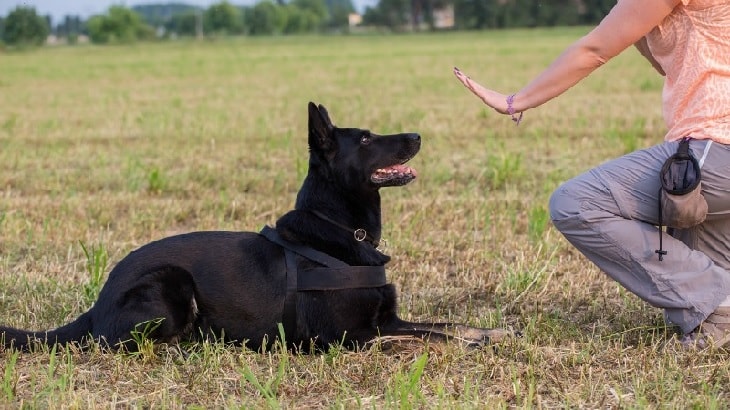
Image Source: German Shepherd Country
Show your dog what a cue means. For example, lure or guide them into a sit, say “sit” once, and reward when they do it. Repeat in short sessions and practice in different rooms. Add distance, duration, and distractions only after your dog is reliable at the current level.
Training methods that support German Shepherds
Modern, humane training focuses on building useful behaviors and a safe relationship. You do not need to follow a dominance-based program to train a German Shepherd.
1. Reward-based training
Reward-based training uses things your dog wants—food, toys, praise, access, or play—to reinforce behavior you want. It is effective for teaching cues and is generally safer and clearer than training based on fear or pain. Punishment can increase anxiety, damage trust, and make behavior problems harder to solve.
Everyone in the household should use the same cues, rules, and rewards so your dog is not confused.
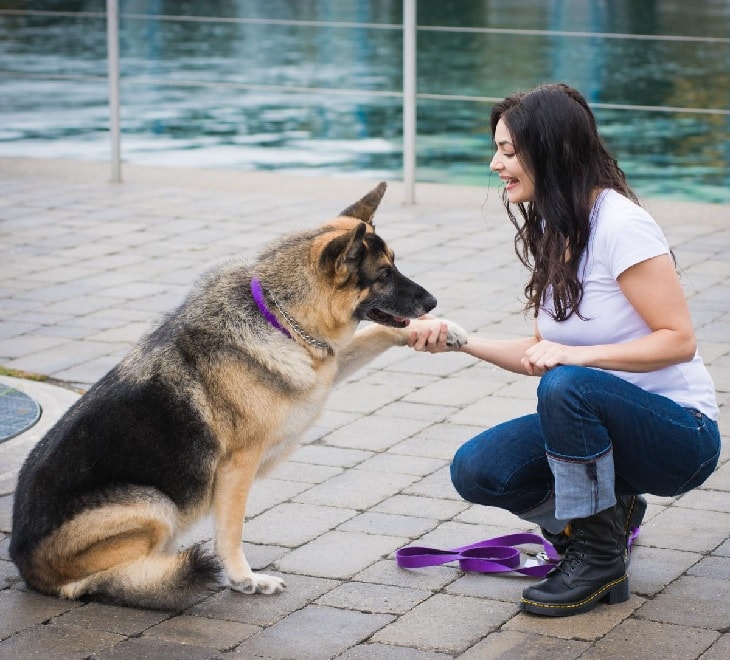
2. Relationship-based training
Relationship-based training combines clear communication, humane handling, and an understanding of your dog’s individual needs. Learn your German Shepherd’s body language and note what motivates them. Reward calm, cooperative behavior and set up the environment so your dog can succeed.
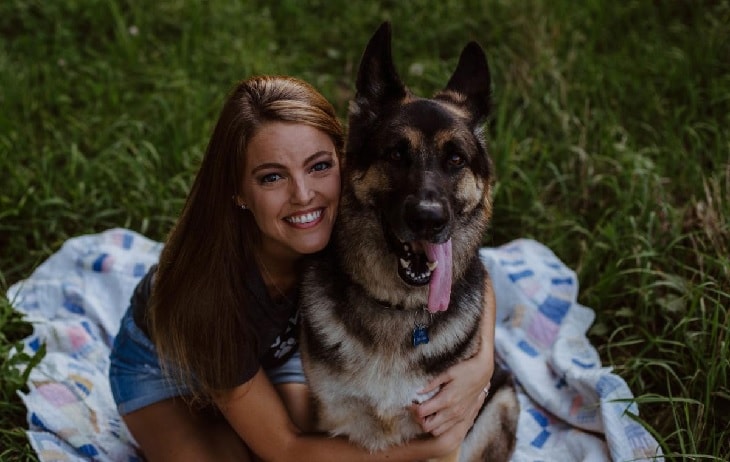
This approach helps with everyday manners, walks, visitors, and gradual socialization. It does not mean encouraging your dog to interact with every stranger or “intruder”; safe, neutral behavior around people is usually the better goal.
3. Professional help when needed
Seek help from a qualified reward-based trainer or veterinary behaviorist if your German Shepherd shows aggression, severe fear, guarding, biting, or reactivity. Guard-dog or protection training should only be considered with a professional who assesses temperament and welfare, and after basic obedience and socialization are solid.
Final thoughts
German Shepherd training should begin early, use clear and humane methods, and progress at your dog’s pace. Build foundation skills at home, add safe socialization and classes, and get professional support for serious behavior concerns.
Visit Doglime for more dog breed information.
Where are you located?