Best Active Dog Breeds: High-Energy Dogs for Active Owners
Last updated: November 27, 2026
Best Active Dog Breeds: High-Energy Dogs for Active Owners
The best active dog breeds aren’t the ones that tolerate your running shoes. They’re the ones that stare at the shoes until you put them on. If you run, hike, or cycle, your dog has to want that life as much as you do. A high-energy breed with nothing to do will find its own work, and you won’t like the job it picks.
This list ranks ten breeds by how much daily exercise they actually need — figures cited to the AKC and PDSA, linked below — pick by your honest weekly hours, not your best weekend. If you want the family version of this list, with kid-friendly picks, read our best dog breeds for active families instead.
At a glance: ranked by daily exercise need
| Breed | Adult weight (AKC) | Lifespan (AKC) | Daily exercise (adult) | Best for an owner who… |
|---|---|---|---|---|
| Belgian Malinois | 40–80 lb | 14–16 years | 2+ hours, structured (Battersea) | Trains every day and wants a working partner |
| Australian Cattle Dog | 35–50 lb | 12–16 years | Over 2 hours (PDSA) | Hikes, runs, and gives a dog a job |
| German Shorthaired Pointer | 45–70 lb | 10–12 years | Over 2 hours ideally (PDSA) | Runs, swims, and trains |
| Weimaraner | 55–90 lb | 10–13 years | Min. 2 hours (PDSA) | Runs long and is home most of the day |
| Rhodesian Ridgeback | 70–85 lb | 10–12 years | Min. 2 hours (PDSA) | Hikes far and wants a calm house dog after |
| Vizsla | 44–60 lb | 12–14 years | Min. 2 hours (PDSA) | Runs daily and wants a dog glued to their side |
| Border Collie | 30–55 lb | 12–15 years | Min. 2 hours (PDSA) | Competes in agility, flyball, or canicross |
| English Springer Spaniel | 40–50 lb | 12–14 years | Over 2 hours (PDSA) | Hikes, trains, and doesn’t mind grooming |
| Brittany | 30–40 lb | 12–14 years | 1.5–2 hours (BorrowMyDoggy) | Wants a smaller gundog that fits a smaller home |
| Jack Russell Terrier | 9–15 lb | 12–14 years | Min. 1 hour (PDSA) | Lives in a flat and does agility on weekends |
How to match a breed to your sport
Start with the sport, not the breed. Runners do best with the lean, built-for-distance dogs: Vizslas, Weimaraners, and German Shorthaired Pointers were made to cover ground all day, and a Vizsla will still be asking for more when your legs give out. Hikers want stamina plus a dog that settles at camp — that’s the Ridgeback’s whole pitch, and the Springer and Brittany are happy on rough trails too.
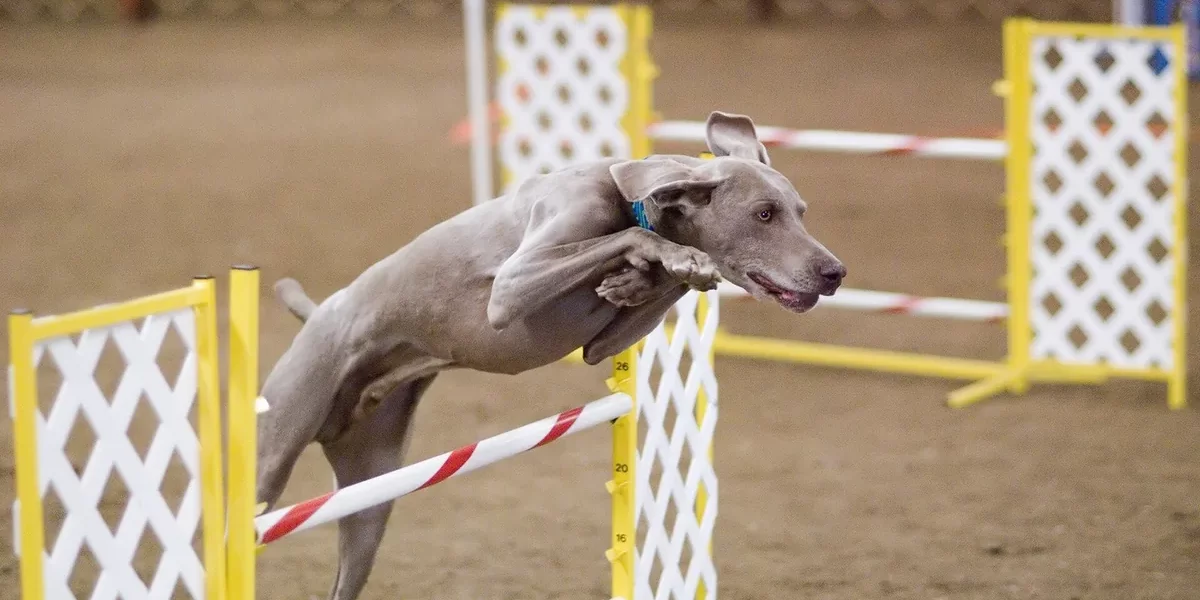
Cyclists and canicross runners need a dog that pulls steadily and can be trusted off-lead or on a line: Border Collies and Cattle Dogs shine here, because they were bred to work at a human’s pace all day. Agility and flyball belong to the herders — Collies and Cattle Dogs again — and the Weimaraner in our featured photo is mid-jump at an agility trial for a reason.
Then the honest apartment question. Only one dog on this list genuinely works in a flat: the Jack Russell, and only if you give it that hour plus training and weekend sport. The rest need a house with a garden and an owner who is out the door in all weathers. A Weimaraner in a flat with an owner who works long days is a chewing, howling problem waiting to happen — PDSA’s own guidance is that they fit active, outgoing owners, and the breed’s nickname among owners is Velcro for a reason.
And count your hours like a budget. Two hours a day is fourteen hours a week, in rain and dark and January. If that number makes you wince, drop down this list to the Jack Russell — don’t buy a Malinois and hope it settles. It won’t.
The 10 best active dog breeds for active owners
1. Belgian Malinois
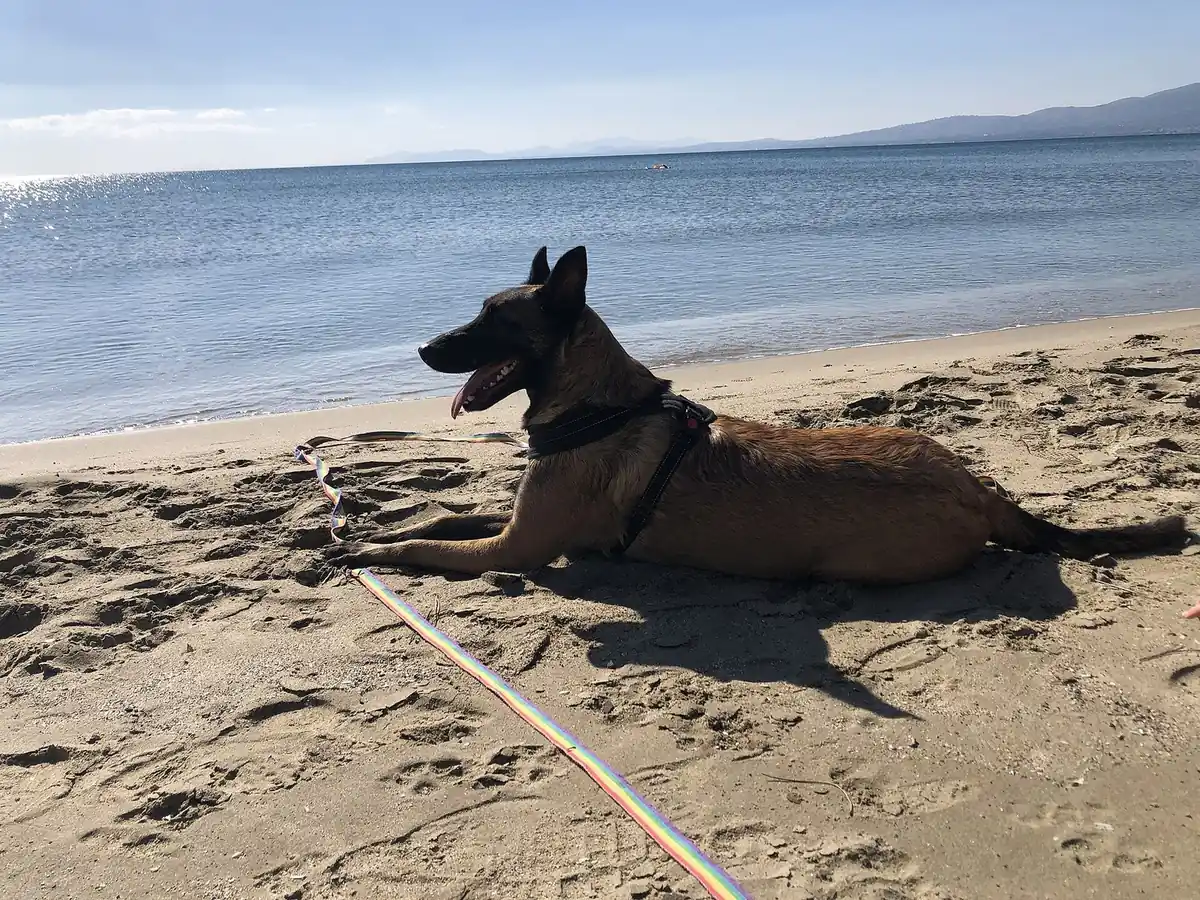
The Malinois tops this list because it asks the most of its owner, not the least. It weighs 40 to 80 pounds and lives 14 to 16 years, per the AKC. Battersea puts its needs at a minimum of two hours of structured exercise and training every day — structured being the key word. A long walk doesn’t cut it. This dog needs work: obedience, scent work, bite sports, agility, something with rules and a job.
Battersea is blunt about the rest: Malinois are rarely an easy family pet and are usually not suitable for first-time owners or households with young children. That is exactly why this entry sits in an owners’ list and not in our active families list, which swapped the Malinois out for a German Shorthaired Pointer. If you have owned and trained a driven dog before, and you genuinely enjoy training as a hobby, a Malinois is an extraordinary partner. If you just want a dog to run with, pick the Pointer below and save yourself the trouble.
2. Australian Cattle Dog
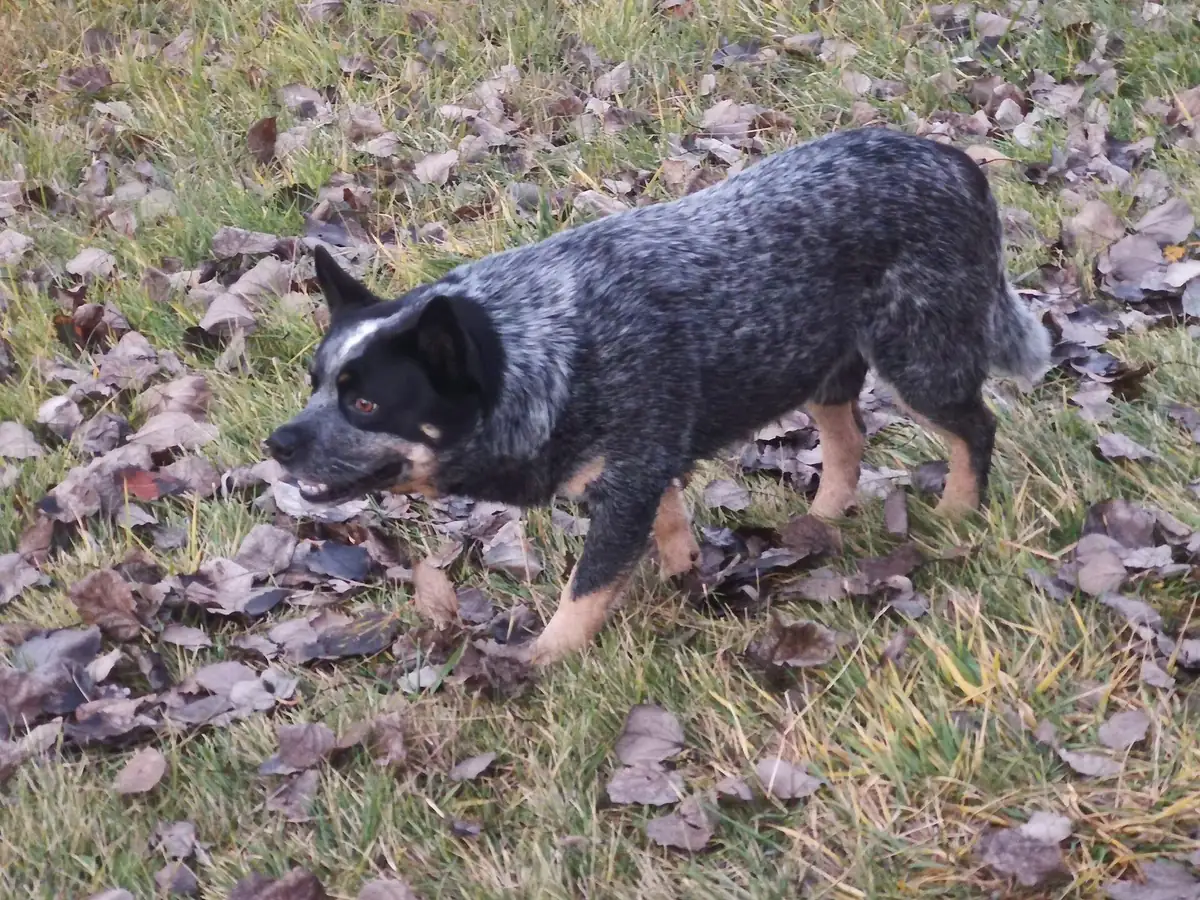
Cattle Dogs — Blue Heelers and Red Heelers — were bred to drive cattle over long distances across rough Australian country, and they still act like it. They weigh 35 to 50 pounds and live 12 to 16 years, per the AKC, and PDSA says they need over two hours of exercise a day, plus mental work alongside it. PDSA suggests agility and flyball as outlets, and they’re right — this is a dog that wants a task, not just a walk.
The catch is the herding instinct. Cattle Dogs nip at heels, including the heels of running children and joggers, so early socialisation and training matter. They bond hard to one person and can be wary of strangers. For a solo owner who hikes and trains daily, they’re a loyal, tireless partner. For a busy household that wants a dog to fit around it, they’re the wrong shape entirely.
3. German Shorthaired Pointer
If the Malinois is the expert-only pick, the Pointer is the same stamina with the difficulty turned down. It weighs 45 to 70 pounds and lives 10 to 12 years, per the AKC. The AKC calls it a versatile, enthusiastic gundog that thrives on vigorous exercise, positive training, and a lot of love. PDSA puts its exercise at over two hours a day ideally — running, swimming, retrieving, fieldwork.
It points, tracks, and retrieves on land and in water, so a runner who swims or trains will never run out of things to do with it. The short coat is easy care. The honest catch is the same as the promise: two hours is a floor, not a weekend target, and a bored Pointer will redecorate your house. If your week genuinely includes running, swimming, or training most days, this is the easiest high-energy dog on this list to live with.
4. Weimaraner
Weimaraners are the grey ghosts of the running world: sleek, fast, and built to go all day. They weigh 55 to 90 pounds and live 10 to 13 years, per the AKC. PDSA sets their minimum at two hours of exercise every day, with long walks and plenty of off-lead running in a secure area — and adds that they don’t tire out easily, so two hours is the minimum, not the target.
They’re famously people-bonded and cope badly with long days alone, so this is a dog for an owner who works from home or takes the dog along, not one who leaves at eight and returns at six. They’re also deep-chested, so learn the signs of bloat from VCA Hospitals before you need them — restlessness, drooling, unproductive retching, and a swollen belly need a vet at once. For a runner who is home most of the day, few dogs keep up as happily.
5. Rhodesian Ridgeback
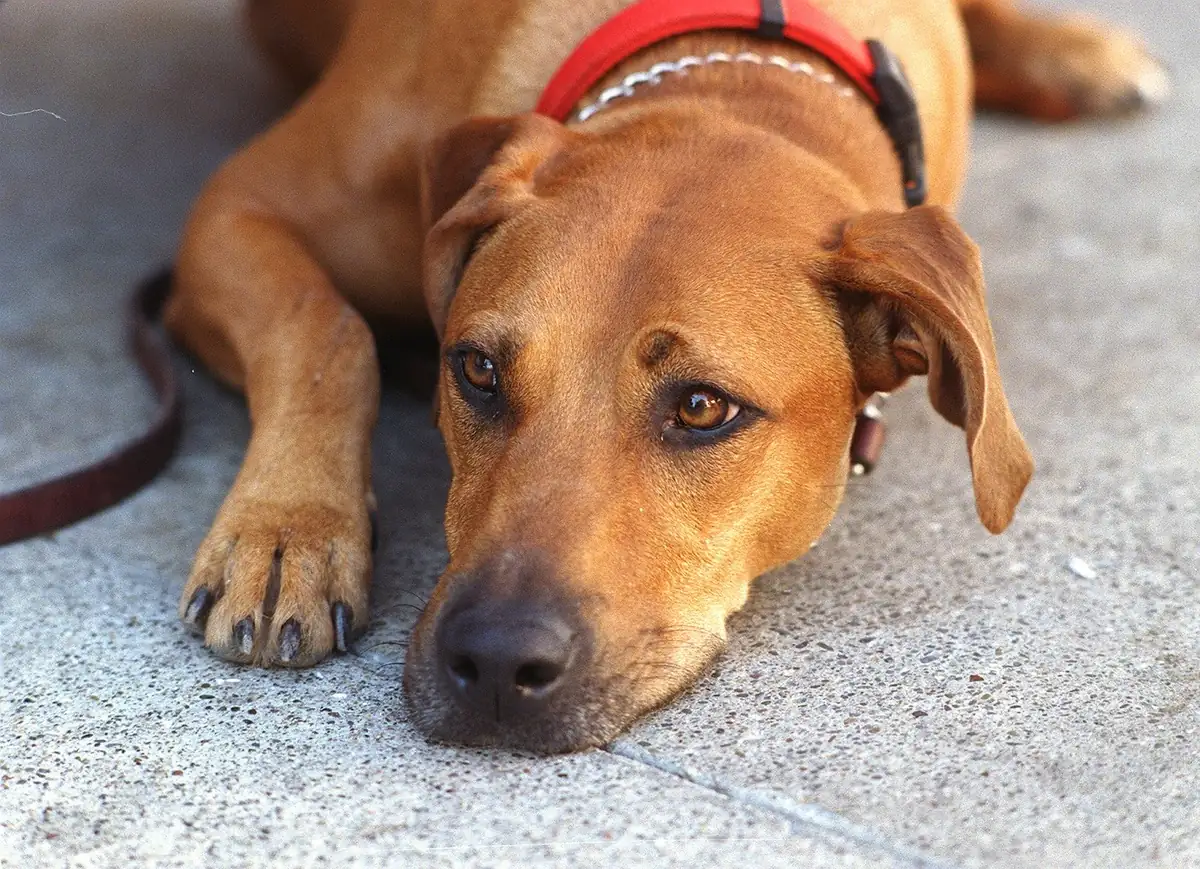
Ridgebacks were bred to range over rough African country, tracking and holding big game, and that endurance is still there. They weigh 70 to 85 pounds and live 10 to 12 years, per the AKC. PDSA advises at least two hours of exercise every day, made up of several long walks with plenty of off-lead running in a secure place — and adds not to leave one alone for more than four hours.
What makes them different from the other dogs here is the off-switch. A Ridgeback that has had its two hours will sprawl across the floor and sleep like a rug, which is why hikers love them: huge day out, quiet evening in. The trade-offs are independence — they think for themselves and recall around distractions takes real work — and size. A 38 kg dog that decides to pull is a different proposition from a 15 kg one. They’re also deep-chested, so the same bloat warning applies as for the Weimaraner: read the VCA Hospitals signs before you need them.
6. Vizsla
Vizslas are the runners of this list: lean, fast, and built for long days in the field. They weigh 44 to 60 pounds and live 12 to 14 years, per the AKC, and PDSA sets their minimum at two hours a day. If you run or cycle most days, a Vizsla will keep pace and ask for more.
They’re nicknamed Velcro dogs for a reason — a Vizsla wants to be touching you, all the time, and they don’t cope with long hours alone. PDSA warns a bored Vizsla takes its frustration out on your belongings. If someone is home most of the day, they’re wonderful. If not, they’ll be miserable, and your furniture will know about it first.
7. Border Collie
Nobody outworks a Border Collie. They weigh 30 to 55 pounds, live 12 to 15 years, per the AKC, and PDSA sets their minimum at two hours of exercise a day. But here’s the part owners miss: exercise alone doesn’t satisfy them. They need a job for their brain — training, agility, flyball, scent games — or they’ll invent one, usually herding whatever moves.
Only pick a Collie if you genuinely enjoy training. With an owner who likes dog sports, they’re unbeatable; as a pet for someone who just wants a running companion, they’re wasted and frustrated. PDSA advises against them for families with smaller children, because that herding instinct includes nipping at heels. For a solo owner who treats dog training as a hobby, there’s no better partner on this list.
8. English Springer Spaniel
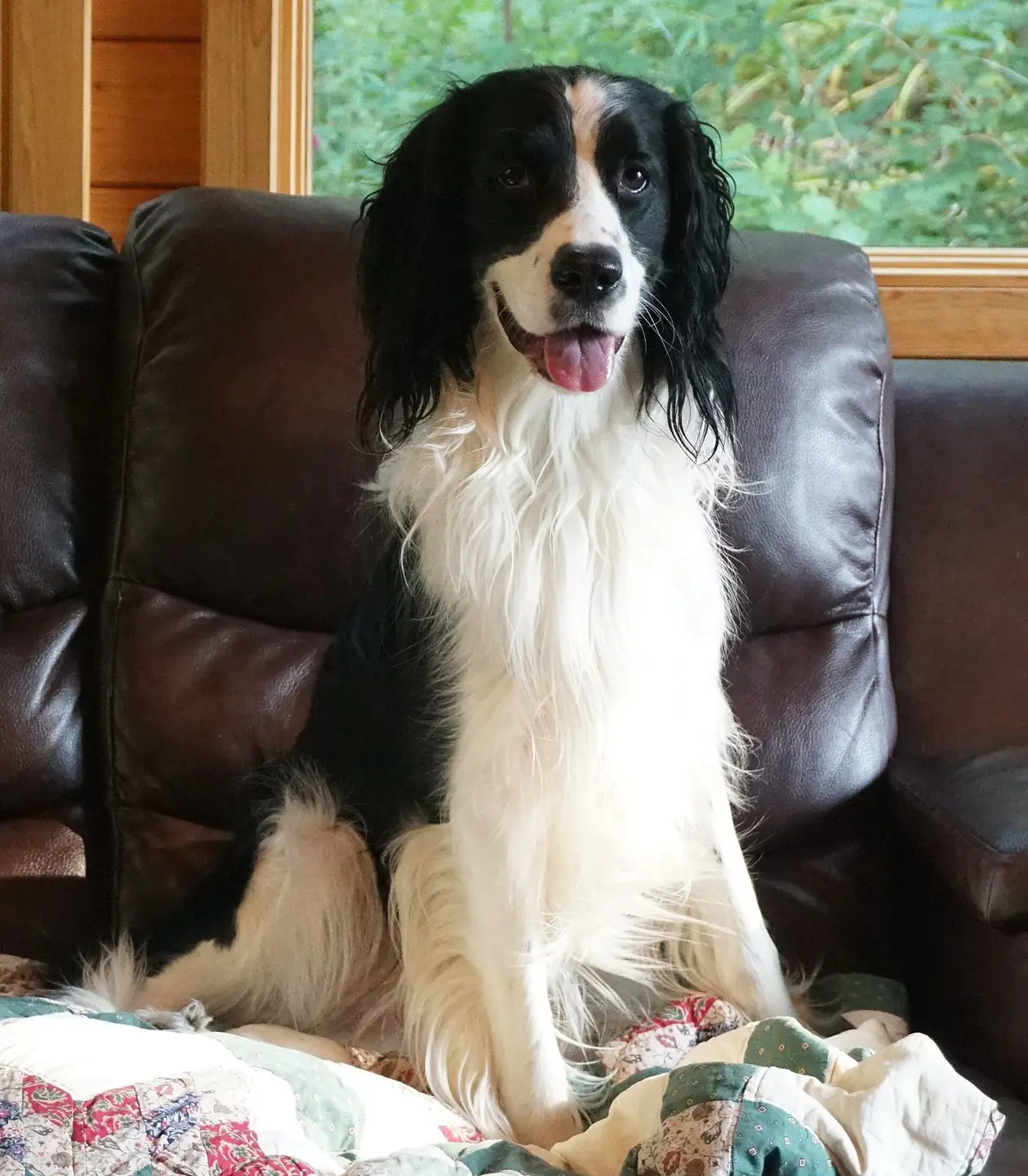
Springers are the cheerful workhorses of this list — happy, playful, energetic, and obedient enough that PDSA says training should be relatively easy. They weigh 40 to 50 pounds and live 12 to 14 years, per the AKC, and PDSA says they need an owner prepared to give them over two hours of exercise a day.
Two things to know before you pick one. First, the coat: PDSA puts grooming at once or twice a week plus clipping about every three months, and those long ears need cleaning and drying after swimming. Second, working lines and show lines are different dogs — dogs from working lines are markedly more energetic than those from show lines, so ask the breeder which lines you’re getting. For a hiker who likes training and doesn’t mind a brush, a Springer is one of the most forgiving high-energy dogs here.
9. Brittany
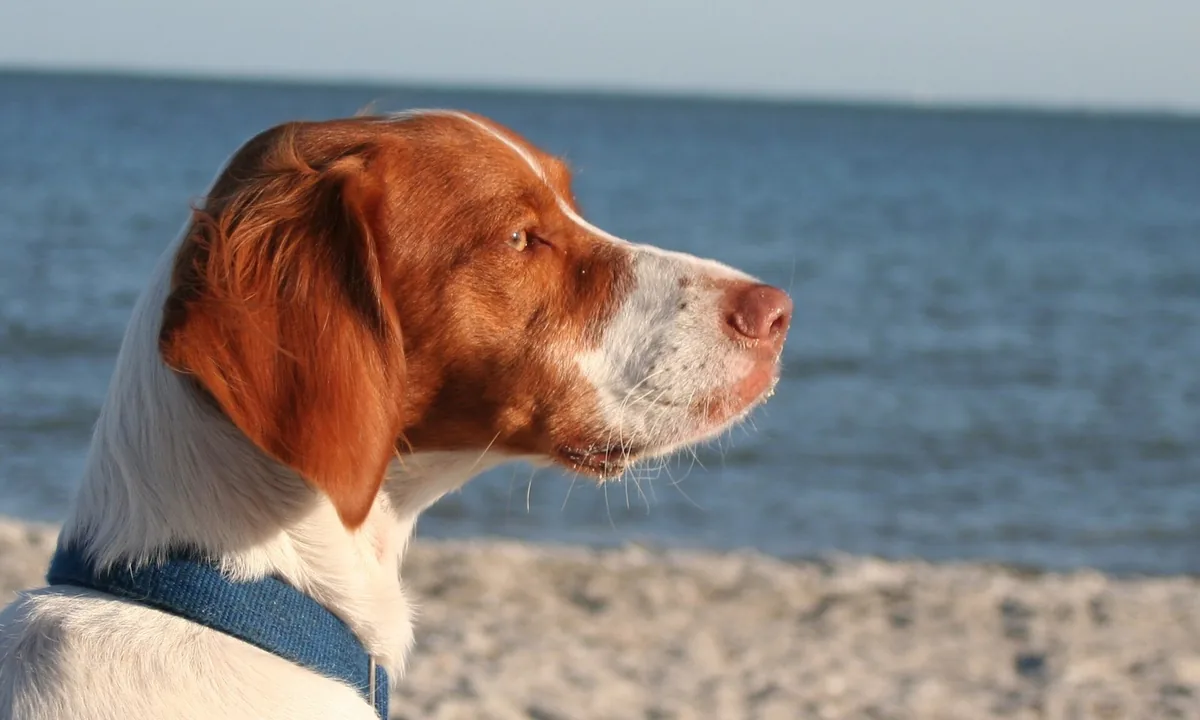
The Brittany is the smallest gundog on this list and the easiest to fit into a smaller home — but don’t mistake small for low-energy. It weighs 30 to 40 pounds and lives 12 to 14 years, per the AKC, and needs at least 1.5 to 2 hours of exercise a day, per BorrowMyDoggy. It’s a pointing breed, not a true spaniel, and it works birds with an enthusiasm that surprises people who only know it as a pretty orange-and-white dog.
Brittanys are eager to please and quick to learn, which makes them a good first gundog for an active owner who hasn’t trained a sporting breed before. They need running or real work, not just walks — scent games, retrieving, and dog sports suit them — and like the Vizsla, they stick close to their person. If your home is small but your weekends are long, this is the dog the bigger gundogs are too much of.
10. Jack Russell Terrier
Don’t let the size fool you. A Jack Russell weighs just 9 to 15 pounds and lives 12 to 14 years, per the AKC — which registers the breed as the Russell Terrier — but it has the stamina and nerve of a dog three times its size. PDSA sets the minimum at one hour a day, and they shine at agility, fetch, and long walks.
This is the apartment pick on this list, and the only one. An hour a day plus training and a weekend sport keeps a Jack Russell happy in a flat, where every other breed here would slowly lose its mind. They’re also stubborn, vocal, and quick to chase, so they need firm, consistent training and plenty of mental work, or they get bored and destructive. For a flat-dwelling owner who wants a small dog that can genuinely keep up, they’re hard to beat.
What happens when you skip a day
Every dog on this list will tell you when you’ve skipped a day, and none of them are subtle about it. The herders herd — Collies and Cattle Dogs will start rounding up whatever moves, including you. The gundogs chew and dig: Vizslas take it out on belongings, Pointers redecorate, Springers bark. The big hounds get restless and destructive, and a bored Ridgeback can clear a kitchen counter without standing up.
That’s not bad behaviour. It’s an unmet need, and it’s the owner’s bill to pay, not the dog’s fault. If your week has a day where two hours is impossible, plan for it: a long-line hike, a scent game, a training session, a dog walker. A tired high-energy dog is a good dog; a bored one is a renovation project.
How to pick the right one for you
Start with your week, not the breed list. Count the hours you can give a dog every day, in all weathers, then match the exercise column above. If the honest number is an hour, your shortlist is the Jack Russell. If it’s two hours plus training, the retrievers, herders, pointers, and Vizsla open up.
Then think about your home. A flat rules out everything except the Jack Russell. A house with a garden opens the list, but a garden is not exercise — it’s a toilet with grass. The hours still have to happen on foot, with you.
Then think about your experience. Never trained a driven dog before? Start with the Pointer, the Springer, or the Brittany. Have years of training behind you and want a real project? The Malinois and the Cattle Dog are waiting. And if there’s a family with young children in the picture rather than just you, read our best dog breeds for active families — the kid-friendly shortlist is different, and the Malinois isn’t on it for good reason.
Next step: pick your top two breeds, read their full DogLime guides linked above, and meet a few adult dogs of each breed before you decide. A good breeder or rescue will let you do that, and an hour with the real dog tells you more than any article can. If you’re still torn between two, our hiking safety guide covers what to pack when you take either of them out on the trail.
FAQ
A Vizsla, a German Shorthaired Pointer, or a Weimaraner. All three are lean, built-for-distance gundogs: the AKC lists Vizslas at 44–60 lb and the AKC lists Pointers at 45–70 lb, and PDSA sets the Vizsla’s minimum at two hours of exercise a day. Pick the Vizsla if you want a dog glued to your side, the Pointer if you also swim and train, and the Weimaraner if you run long and are home most of the day.
Most of the breeds in this list need a minimum of two hours a day as healthy adults, per PDSA — Malinois, Cattle Dogs, Pointers, Weimaraners, Ridgebacks, Vizslas, Border Collies, and Springers all sit at or above that level. The exceptions are the Brittany at 1.5–2 hours and the Jack Russell Terrier at a minimum of one hour a day. Puppies and seniors need gentler amounts, so check with your vet.
Only one dog on this list genuinely can: the Jack Russell Terrier, which needs a minimum of one hour of exercise a day per PDSA, plus training and weekend sport. The rest need a house with a garden and an owner who is out in all weathers. A Weimaraner or a Malinois in a flat with an owner who works long days is a chewing, howling problem, not a pet.
A German Shorthaired Pointer, an English Springer Spaniel, or a Brittany. All three are eager to please and forgiving of beginner mistakes, and all three channel their energy into work you can learn alongside them. Avoid the Belgian Malinois and the Australian Cattle Dog as a first dog — Battersea says Malinois are usually not suitable for first-time owners, and Cattle Dogs punish inexperience with nipping and stubbornness.
This list is for the adult owner choosing a training partner for their own running, hiking, and dog-sport life. Our best dog breeds for active families is for households with children, with kid-friendly picks and child-safety warnings — and it leaves the Belgian Malinois out entirely. Six of the ten breeds here don’t appear in the families list at all, and the four that overlap are judged here on sport and owner fit, not on how they are with children.